
What is the price of a tattoo based on?
Today we will talk about something that many people are wondering about: the price of tattoos. We will explore the factors that determine cost, how size, body area, practitioner and design influence cost, and why a tattoo is not simply an expense, but an investment in personal art.
What factors determine the cost of a tattoo?
When you decide to get a tattoo, you should be aware that the price is not arbitrary. There are several key factors that determine the cost:
Size:
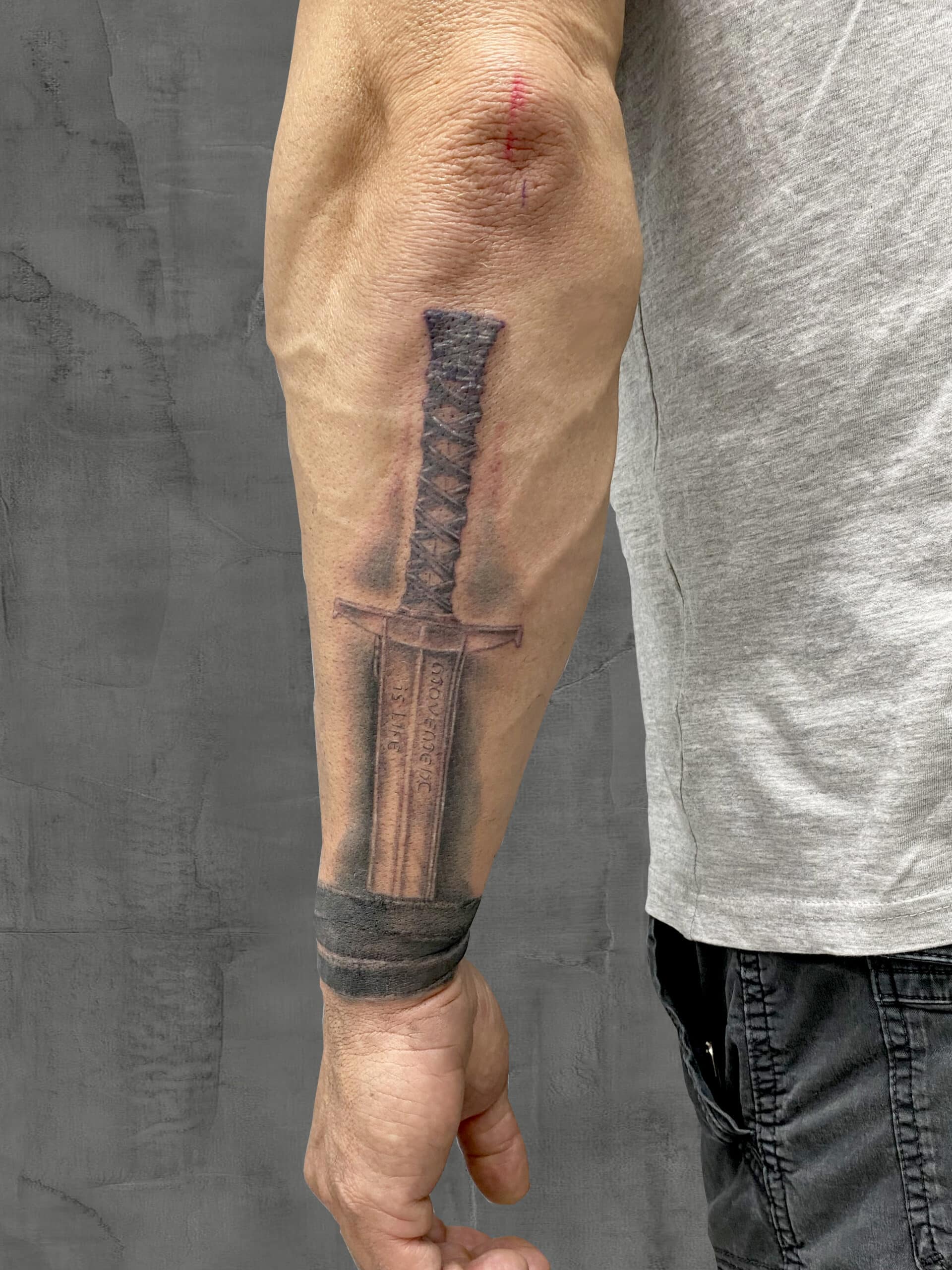
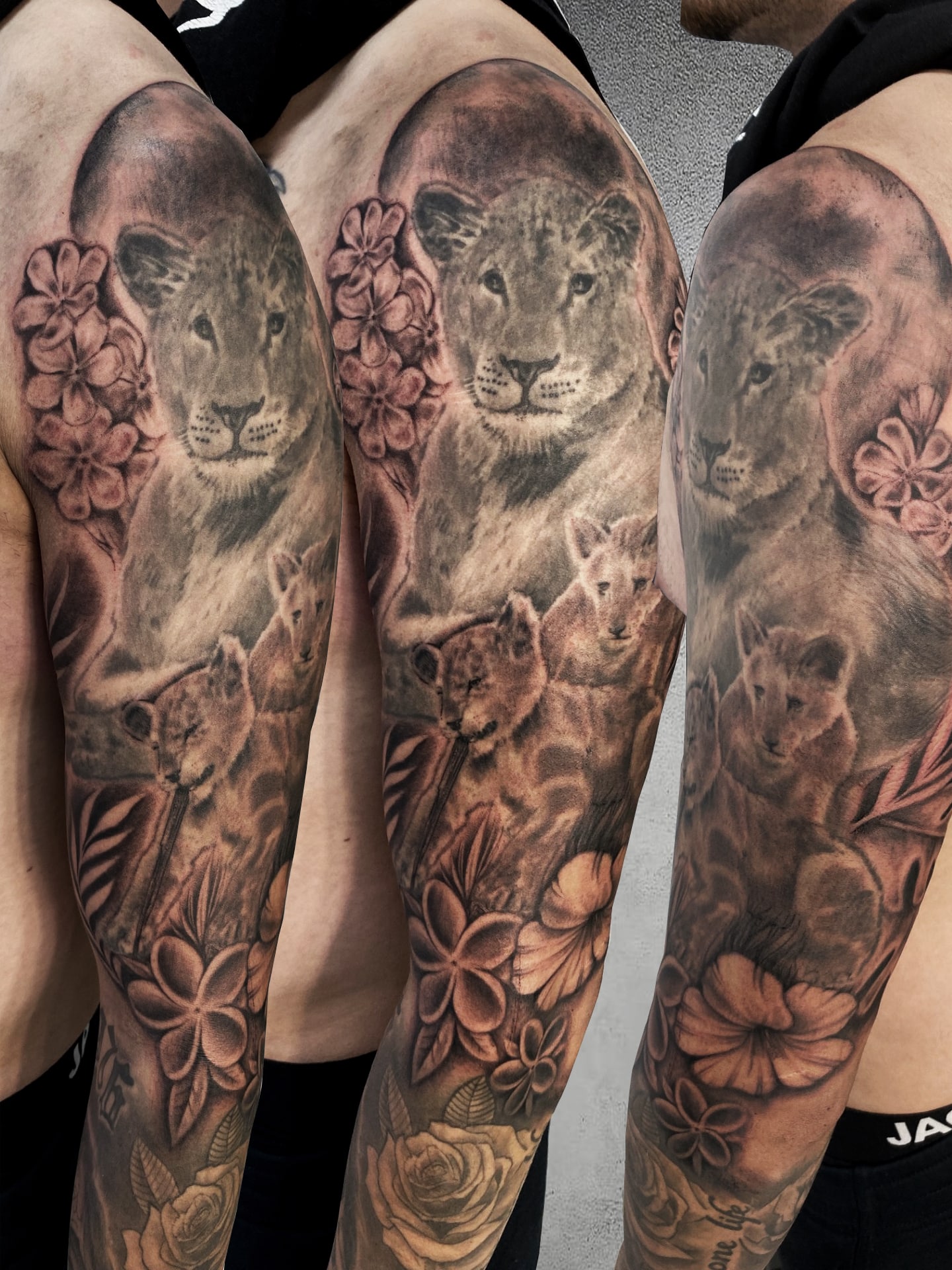
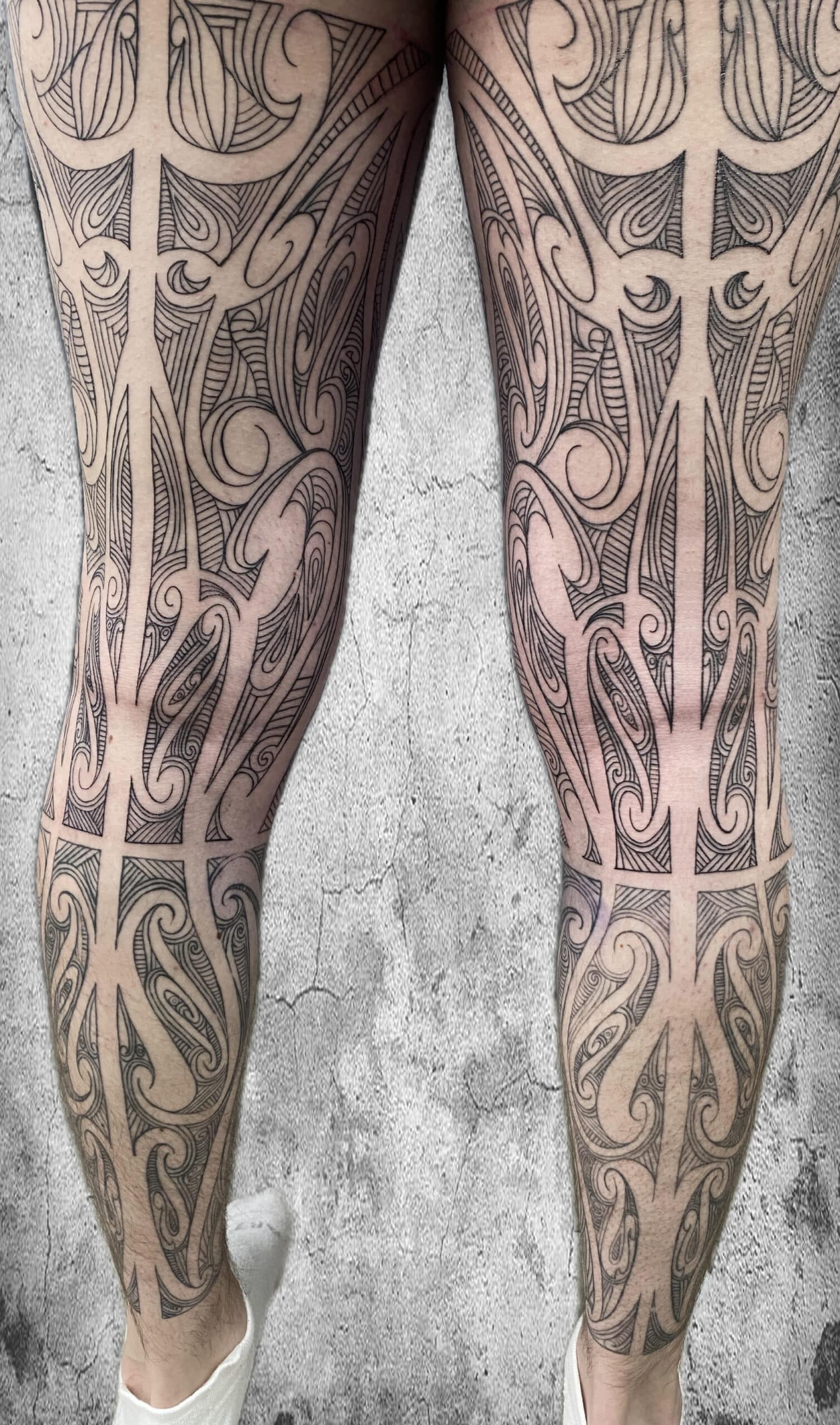
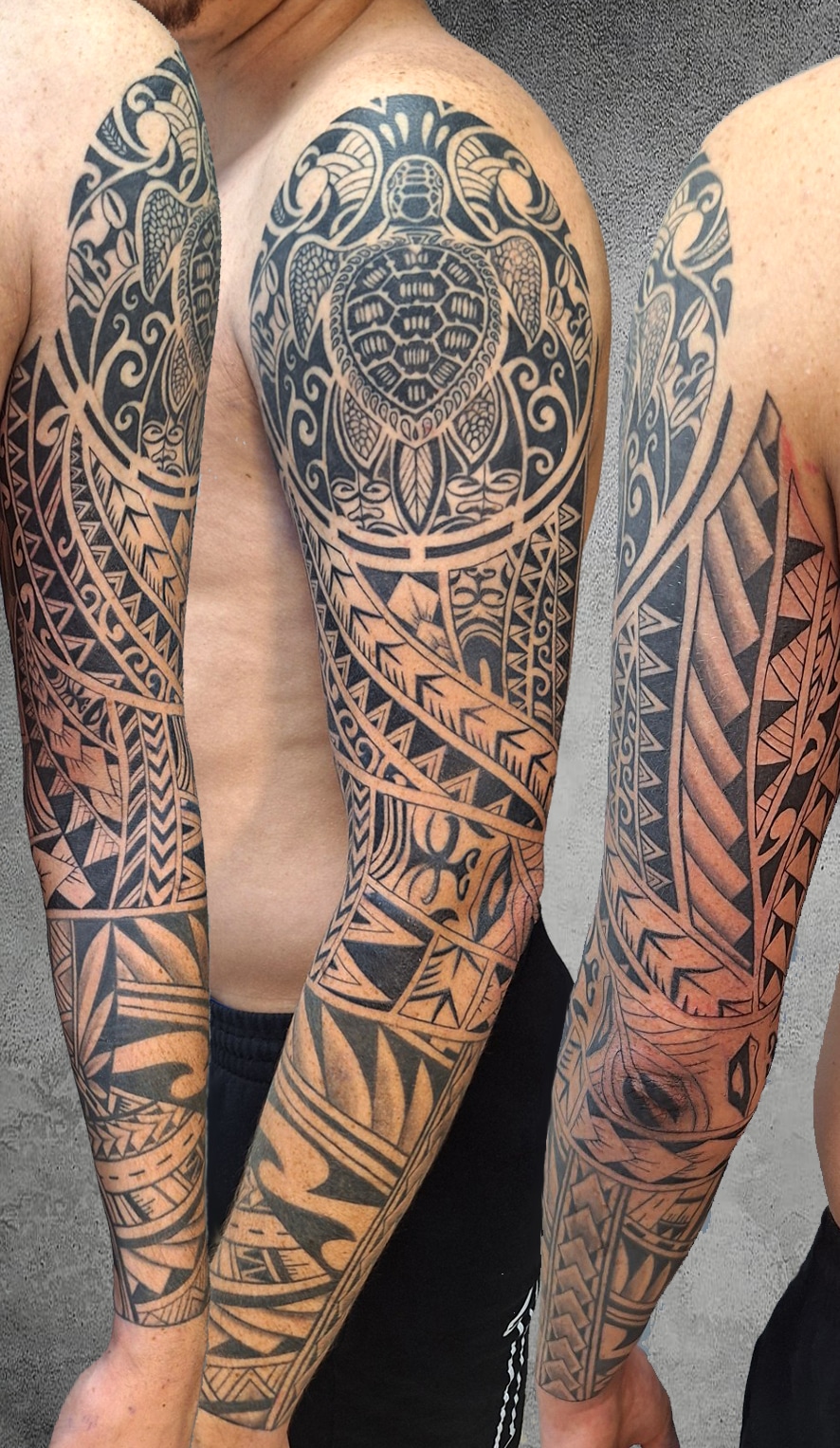
The size of the design is one of the most basic elements that influence the price. The larger the design, the more time it will take and the more material (ink, needles, etc.) it will require. For this reason, a large tattoo generally costs considerably more than a small one.
Body area:
Not all parts of the body are equal when it comes to tattooing. Areas that are more sensitive, difficult to reach or tend to wear out more quickly can command higher prices.
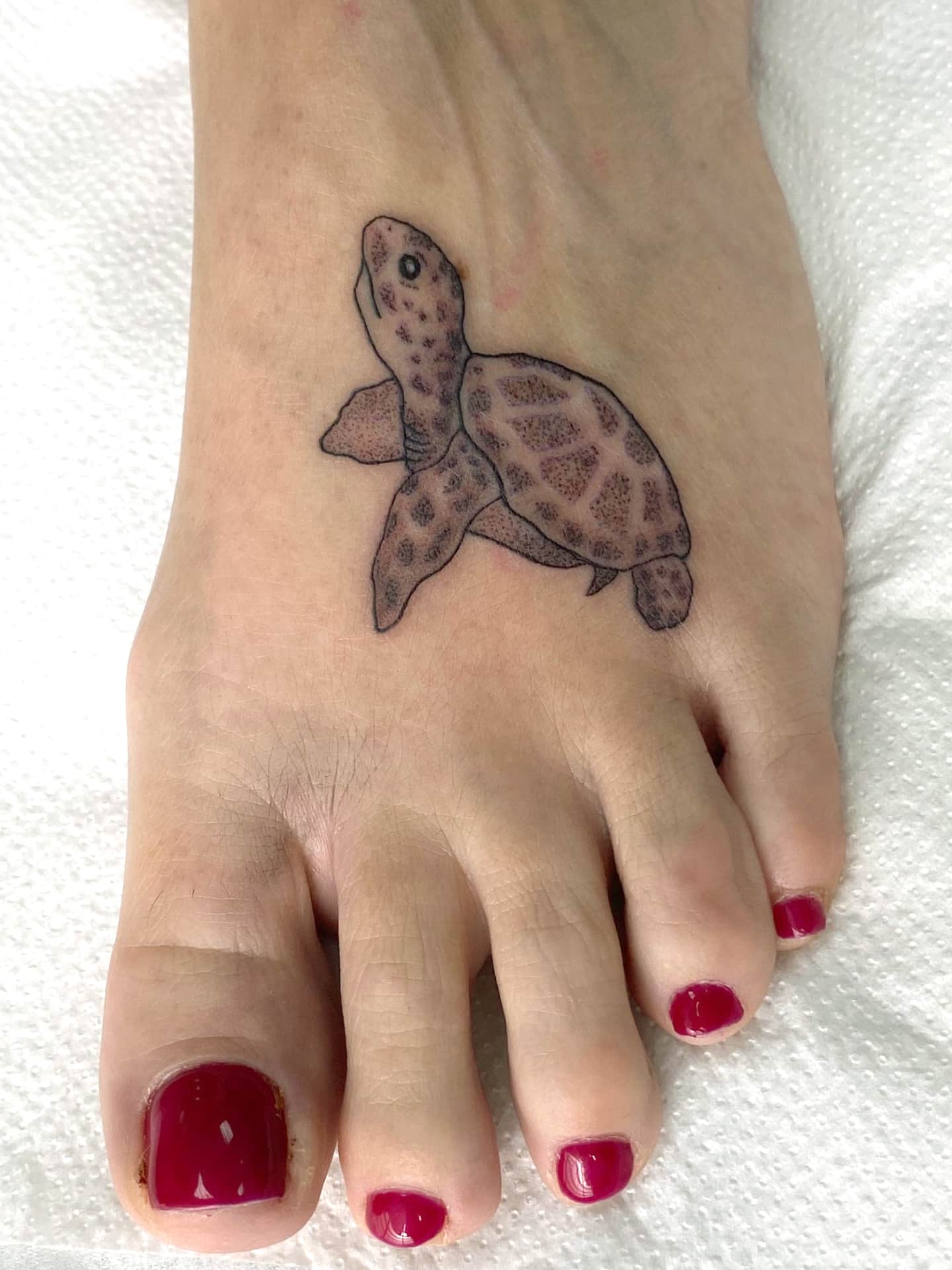
- Sensitivity: Places such as the ribs, feet, neck or hands require more time and care due to their delicacy, which makes tattooing more expensive.
- Retouching: Some areas, such as fingers, are prone to faster deterioration due to constant contact or exposure. Therefore, prices in these areas usually include the cost of future touch-ups or at least the first touch-up, so be aware that if the price is low, your tattooist may charge for touch-ups.
Design:
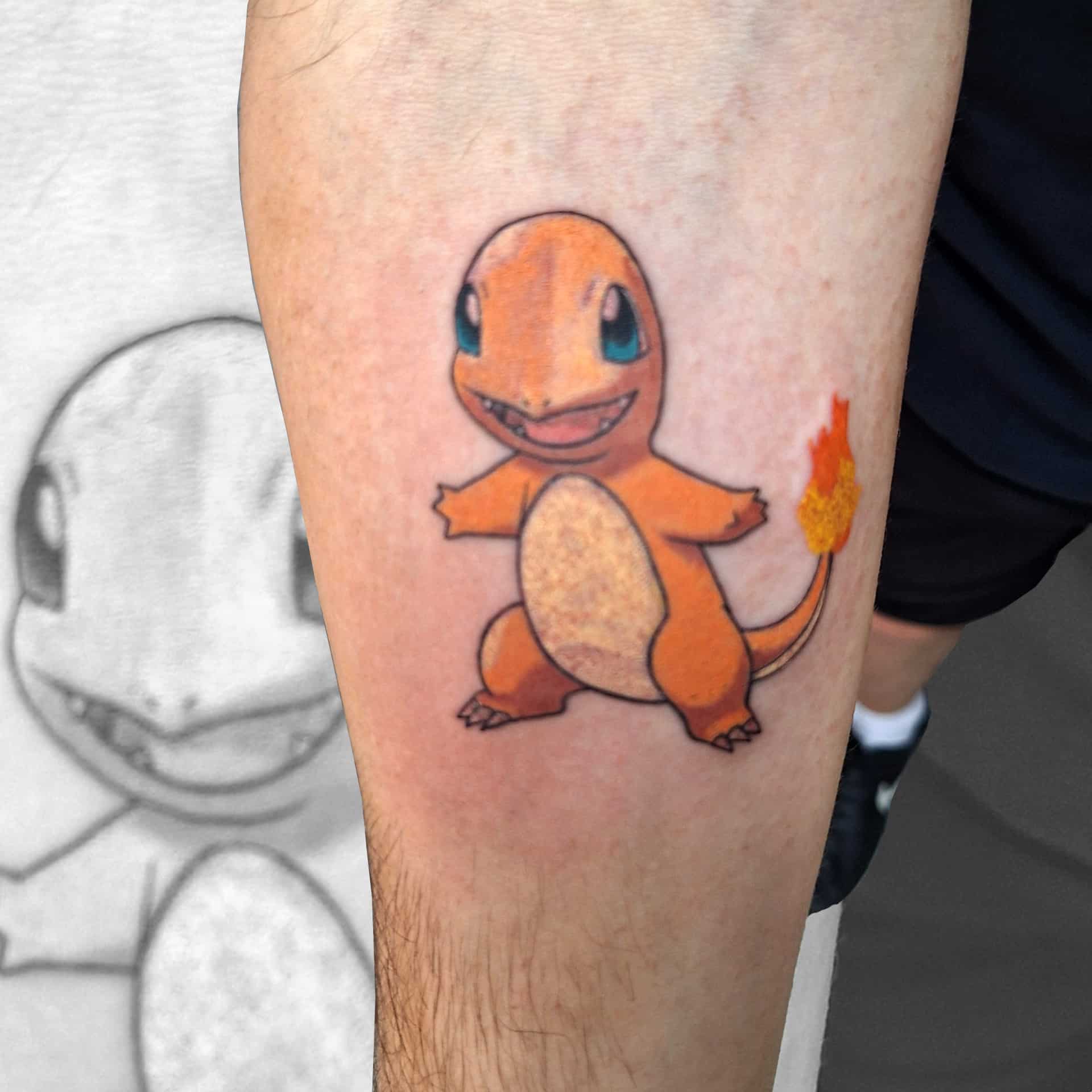
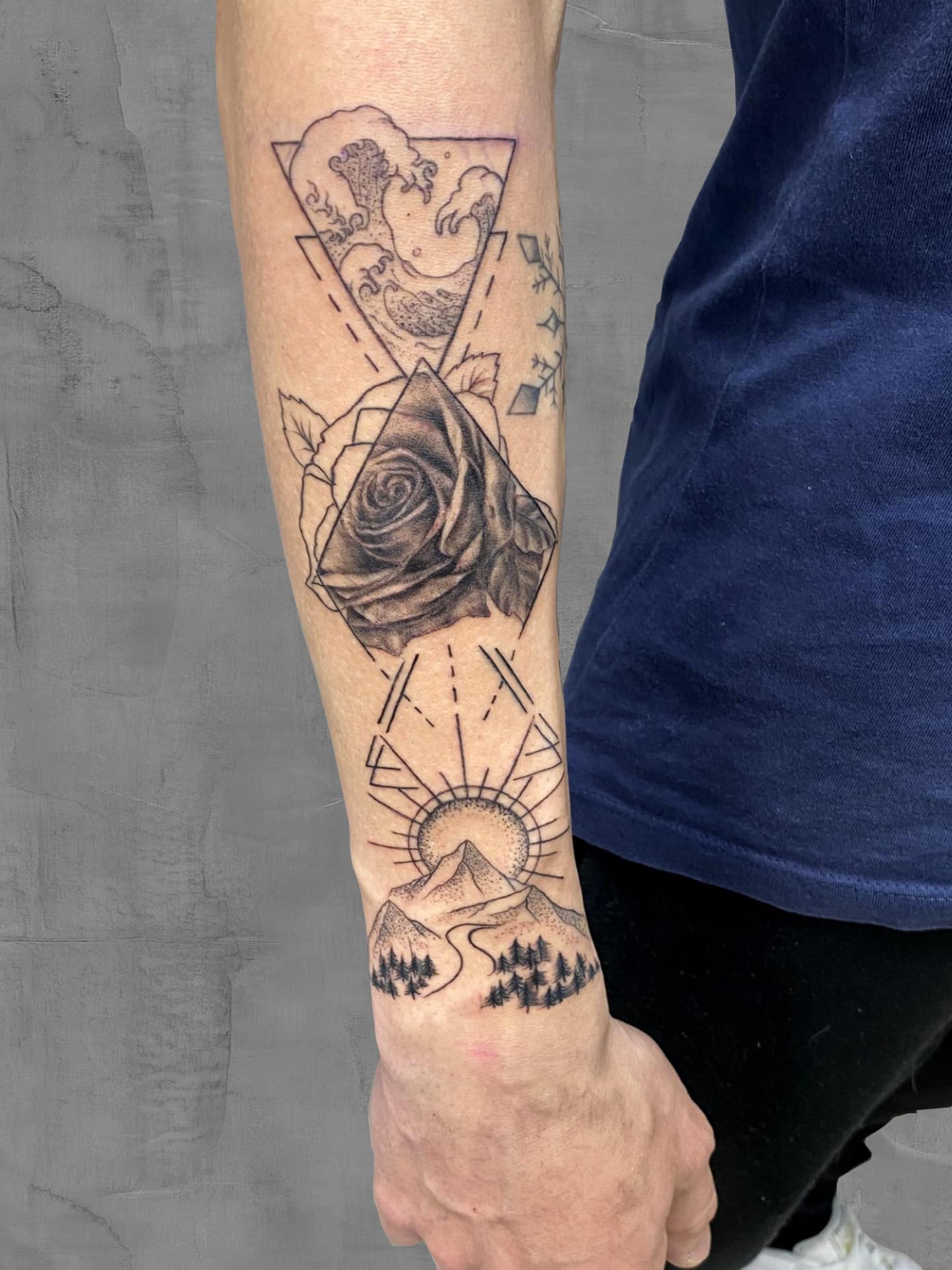
The level of detail, the style and whether the tattoo will be in colour or black and white also have a significant influence on the price.
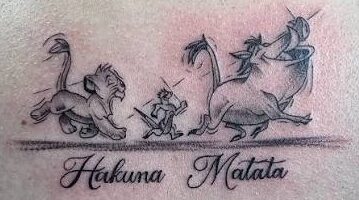
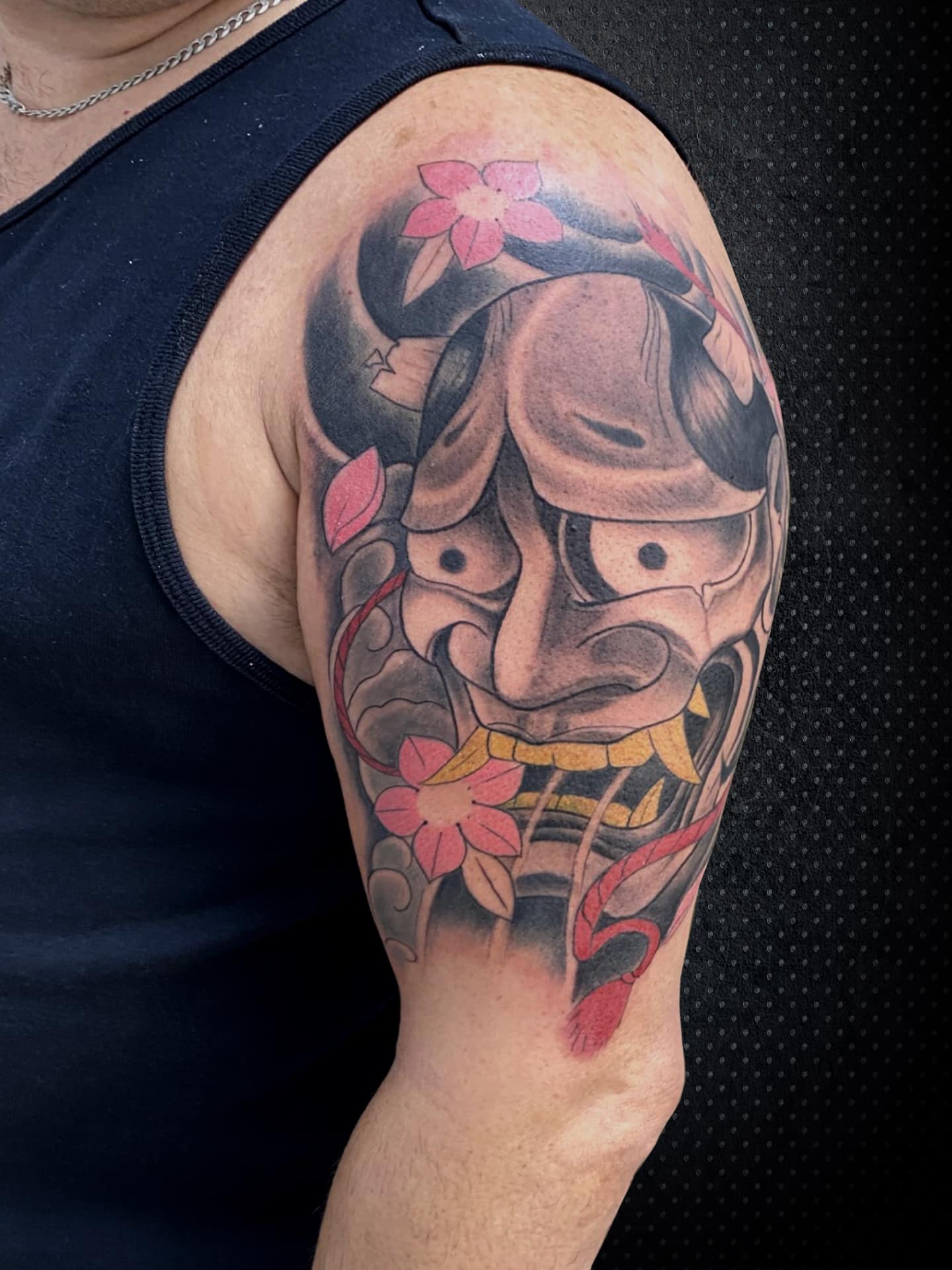
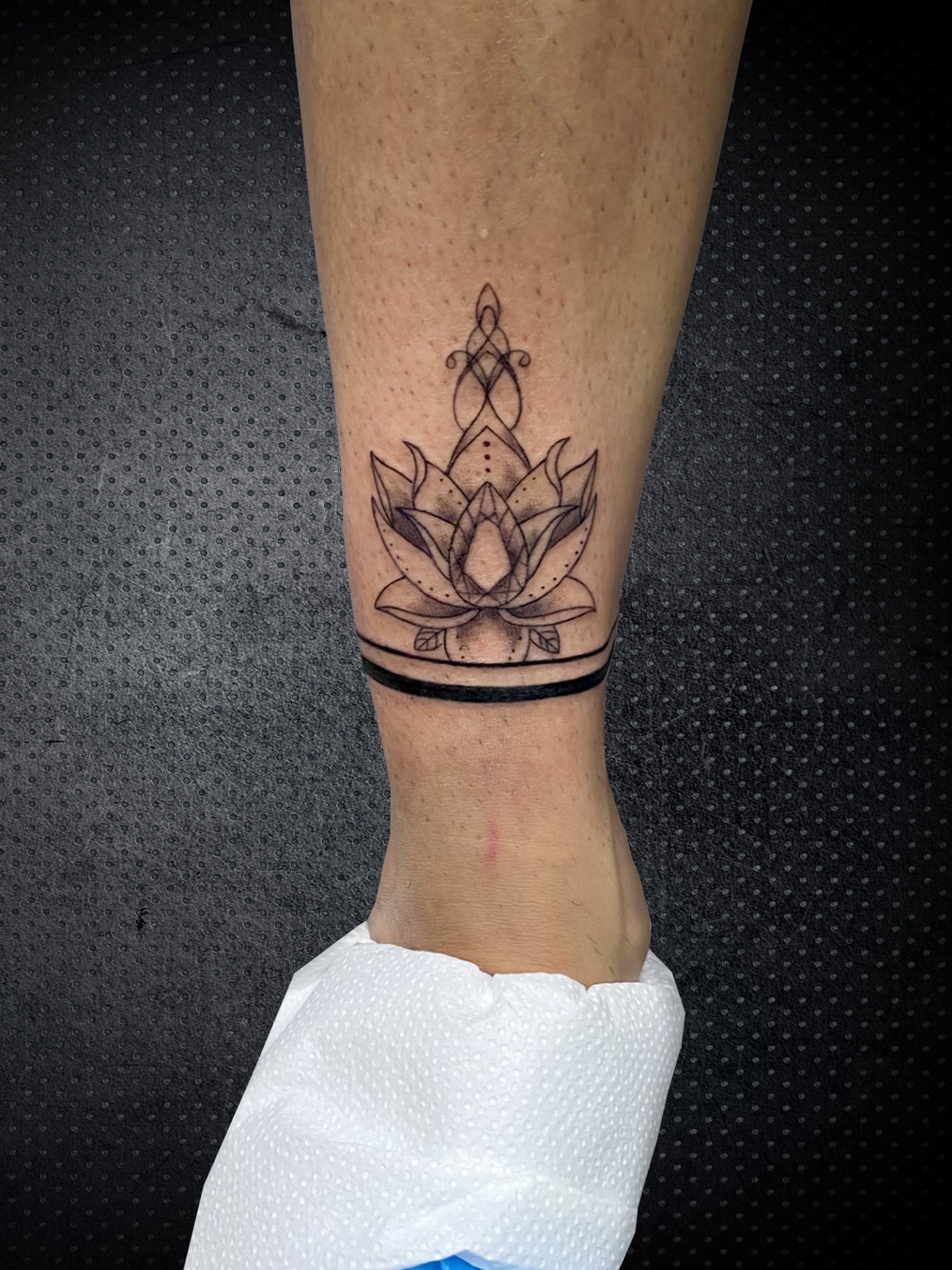
- Complex designs that include shadows, gradients or fine strokes require more time and skill, increasing the cost.
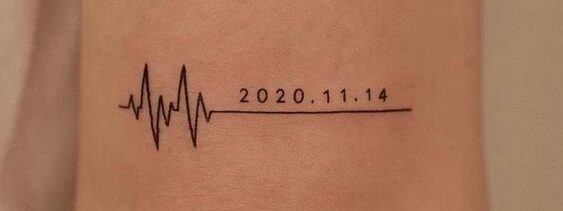
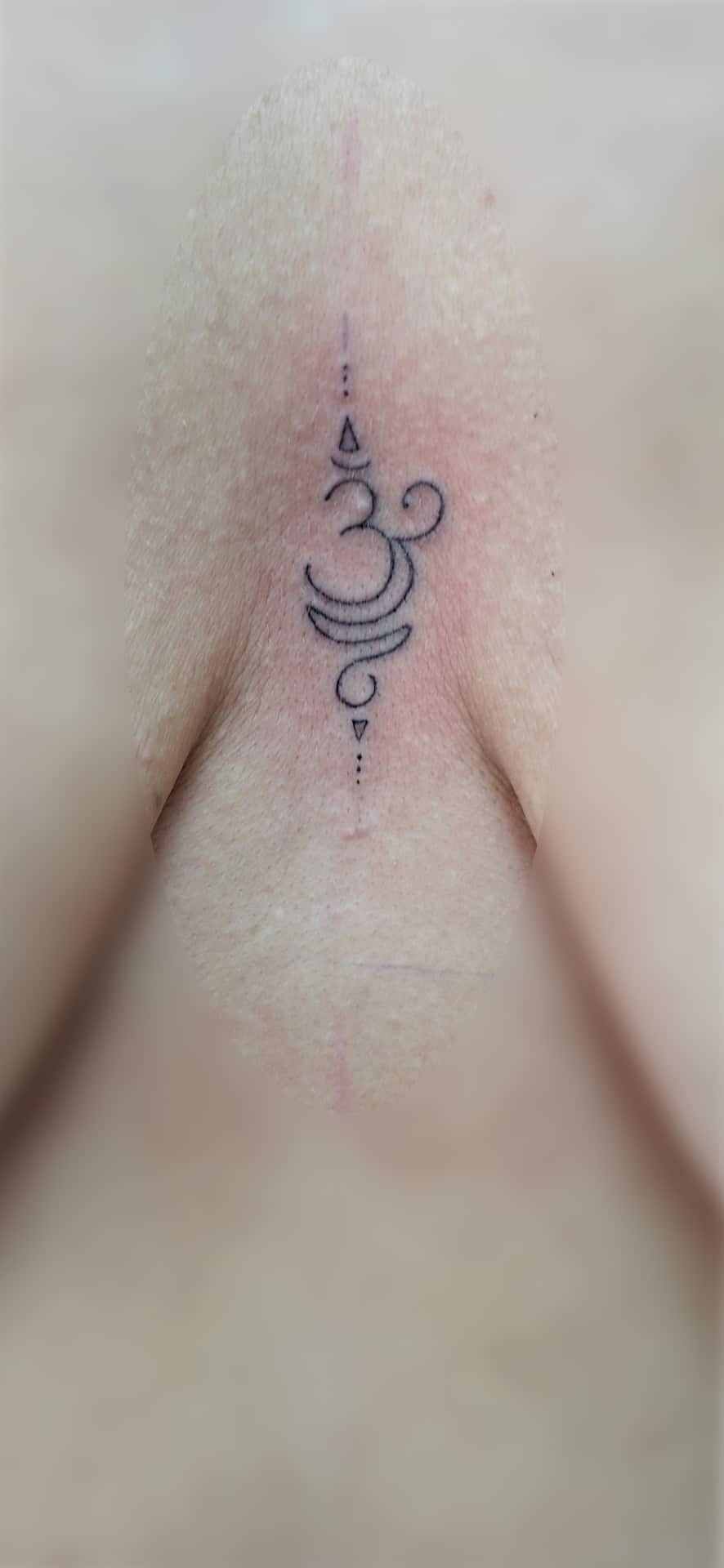
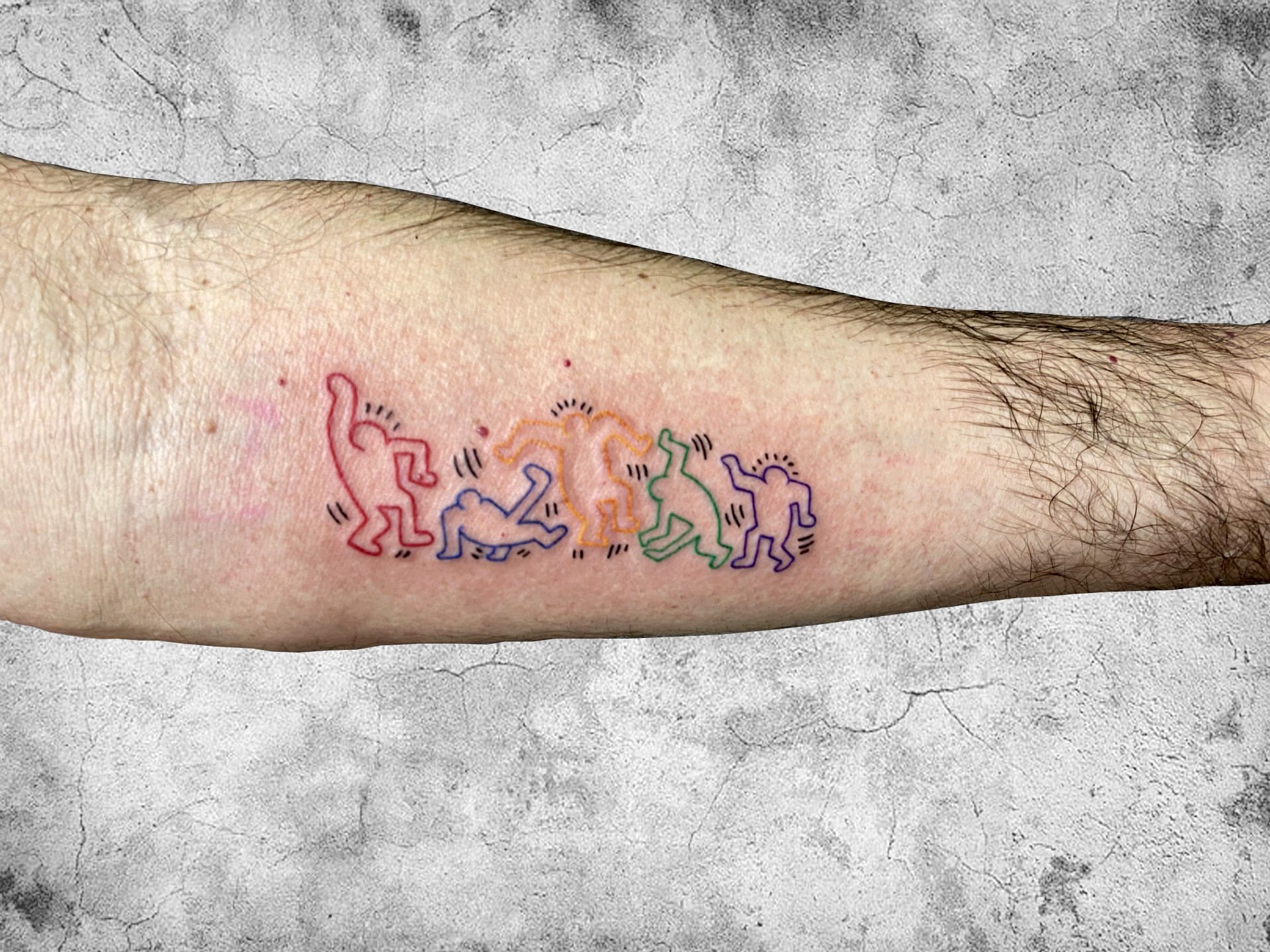
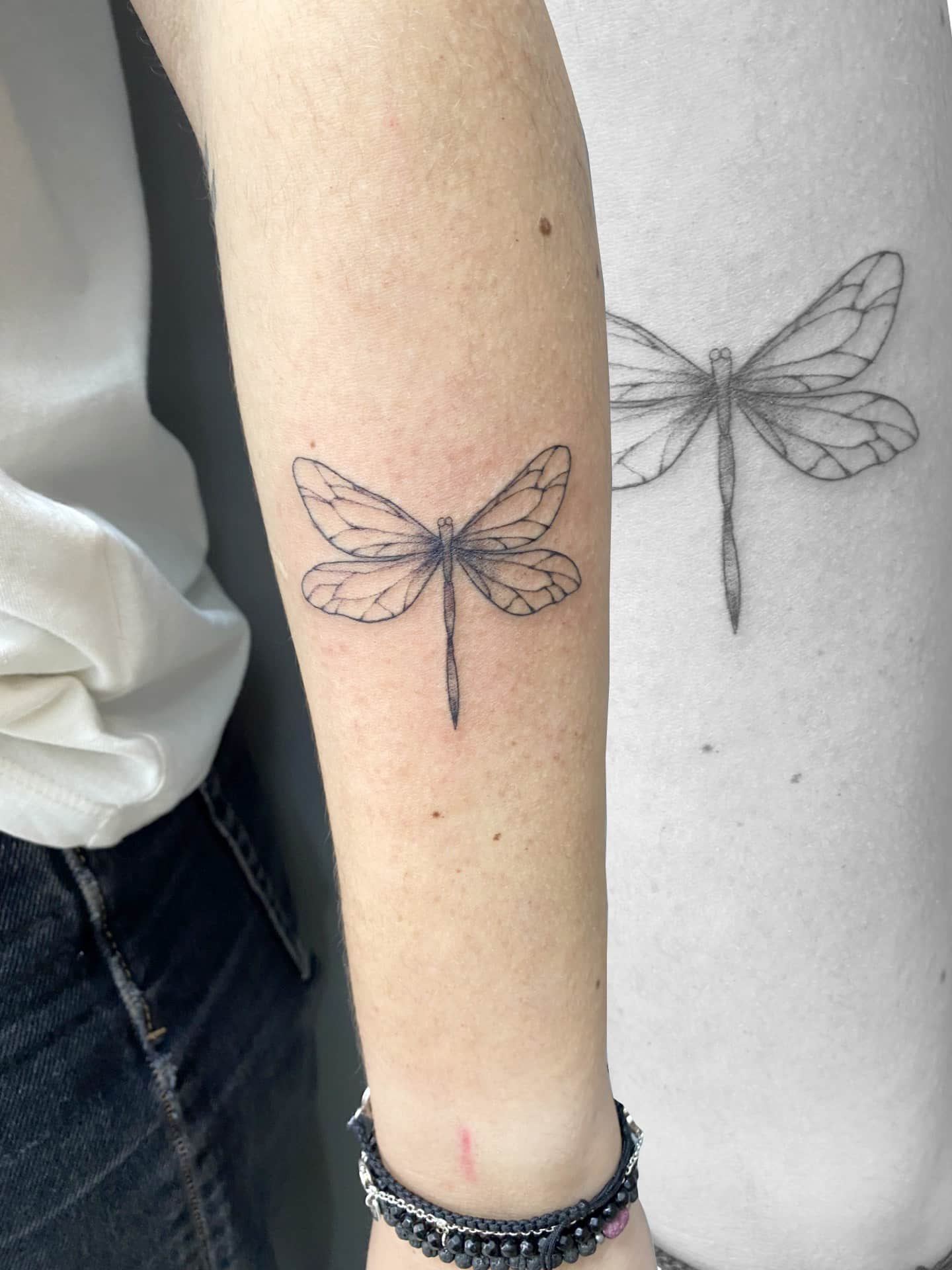
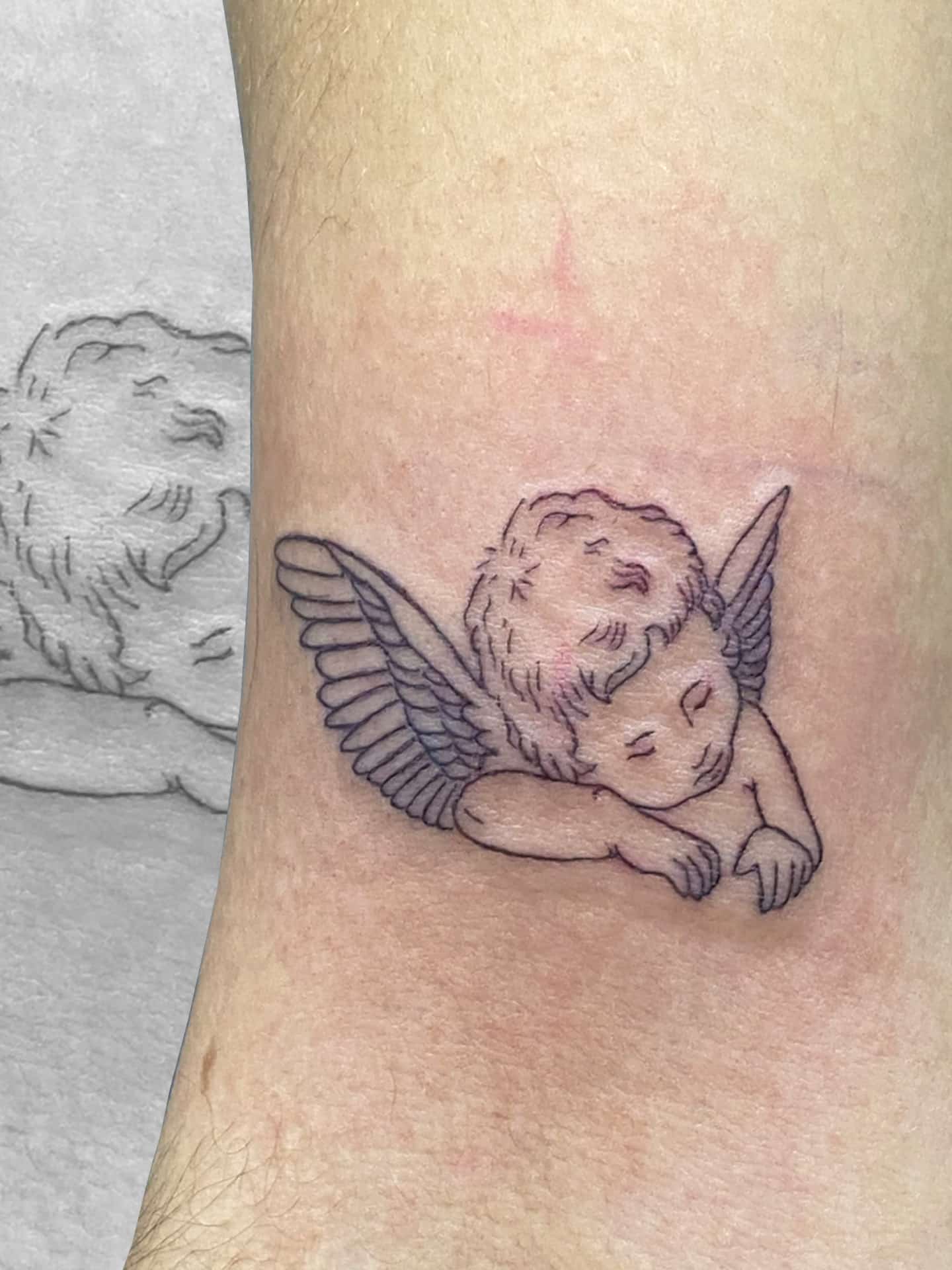
- In contrast, a simple line design may be more affordable, although it will always be subject to the minimum price set by each studio.
The professional of your choice:
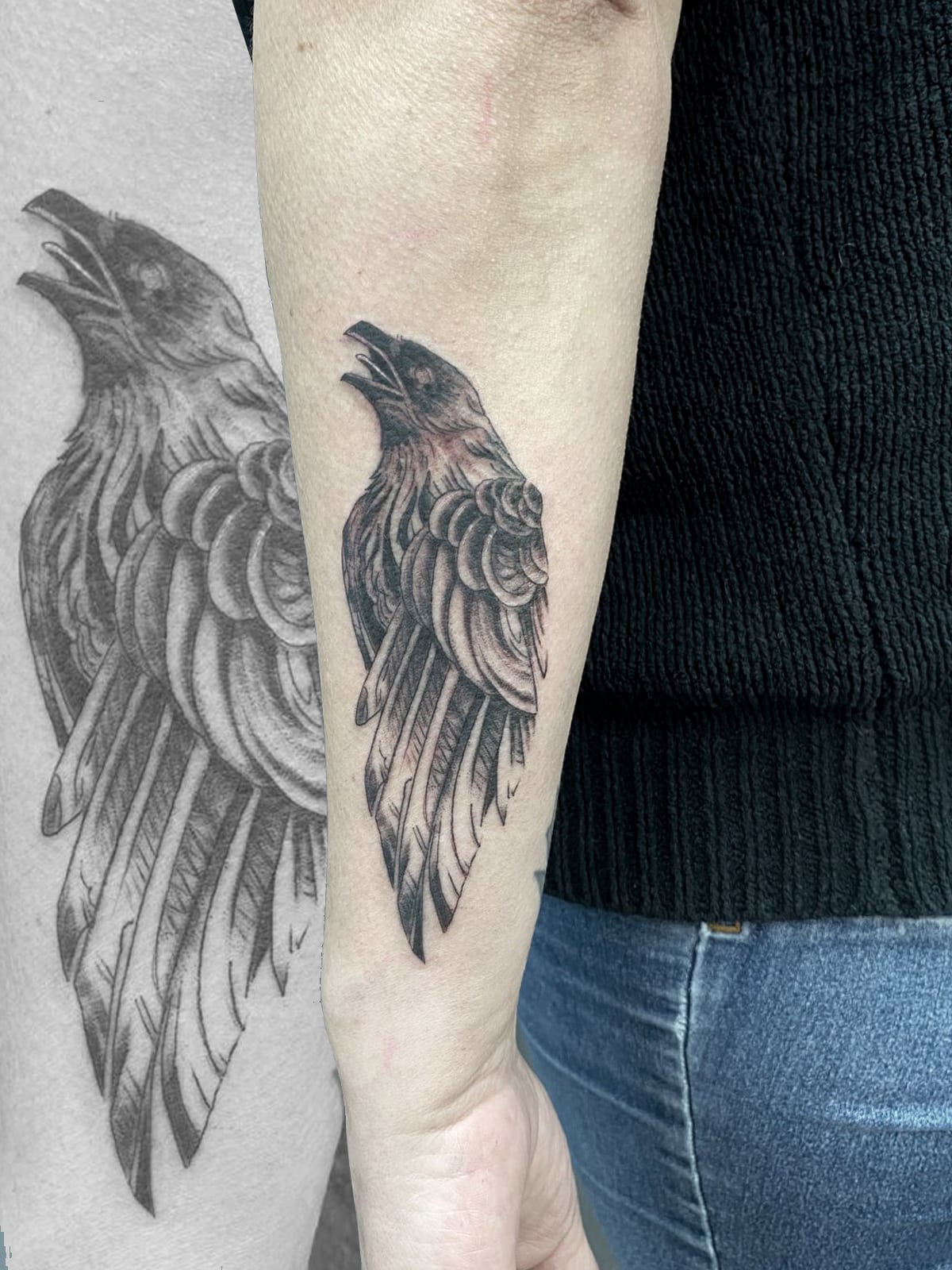
Not all tattoo artists have the same level of experience, nor are all styles the same. Artists with a lot of experience or specialising in a particular style (such as realism or watercolour tattoos) can command higher rates, as they offer a higher level of quality and refined technique. Remember that you are paying not only for the tattoo itself, but for the skill and dedication of a professional who will ensure a flawless and safe result.
Why do some tattoos have a minimum price?
All professional tattoo studios have a minimum priceregardless of the size or simplicity of the design. This is not a whim, but a way to cover the basic costs associated with the process:
- Use of single-use sterile materials (needles, gloves, inks, containers).
- Preparation of the space, following strict health and safety standards.
- The tattooist's time to design, prepare the stencil and perform the tattoo, even if it is something small like a dot or an initial.
For example, a small tattoo may involve the same preparation steps as a larger one, so it cannot be cheaper than the minimum set price.
Tattooing is time, dedication and art
The price of a tattoo is directly related to the time and effort the tattoo artist puts into making your piece. The more detailed, extensive or colourful the tattoo, the longer it will take to complete, and the cost will reflect that dedication. In addition, the use of additional materials, such as specific inks or specialised tools, also plays a role.
Opting for a quality tattoo means choosing a safe and professional job that will last a lifetime. It is important not to haggle or opt for dubious alternatives, as poor work can lead to poor results or health risks.
Fixing, removing or covering a bad tattoo is always more expensive than the initial cost.
Investment in personal art
When you decide to get a tattoo, you are not just paying for the design, you are paying for a personalised work of art that will carry with it a story, a memory or a special meaning. Don't see it as an expense: it's an investment in something that will stay with you forever.