
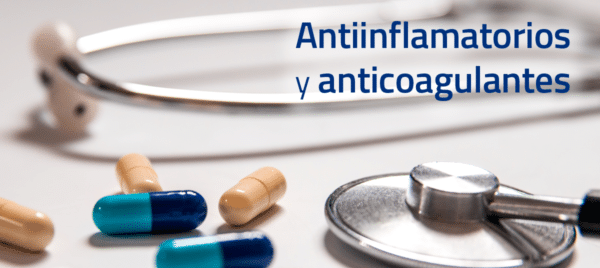
Getting a tattoo is an exciting experience, but it also involves a minor health procedure: the skin is pierced thousands of times with needles to introduce ink into the dermis. Therefore, the client's health is a key factor, especially the medication he or she is taking at the time.
In this article we tell you how some common treatments - such as antibiotics, anticoagulants or anti-inflammatory drugs - can affect the healing and safety of your tattoo, and what you should consider before going under the needle.
Antibiotics and tattoos
If you are taking antibiotics, it is advisable to wait until you have finished your treatment before getting a tattoo.
* Immune system busy: your body is already fighting an infection, and adding tattoo healing can delay recovery or weaken defences.
* Increased risk of skin reactions: some antibiotics increase skin sensitivity and may cause redness, rashes or poor healing.
* Photosensitivity: medications such as tetracyclines or ciprofloxacin can make the skin more sensitive to sunlight, complicating tattoo care.
Recommendation: wait at least one to two weeks after finishing the antibiotic and confirm with your doctor that you are no longer at risk.
Anticoagulants and bleeding problems
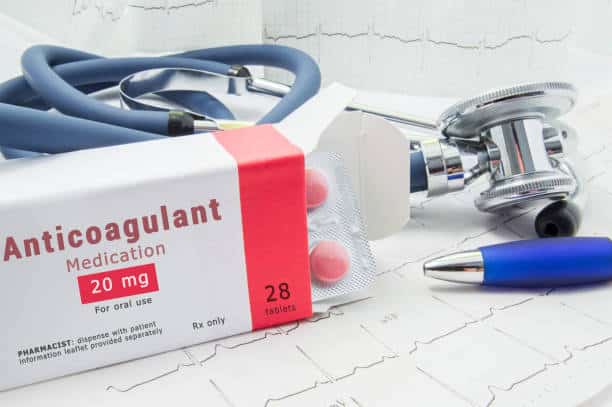
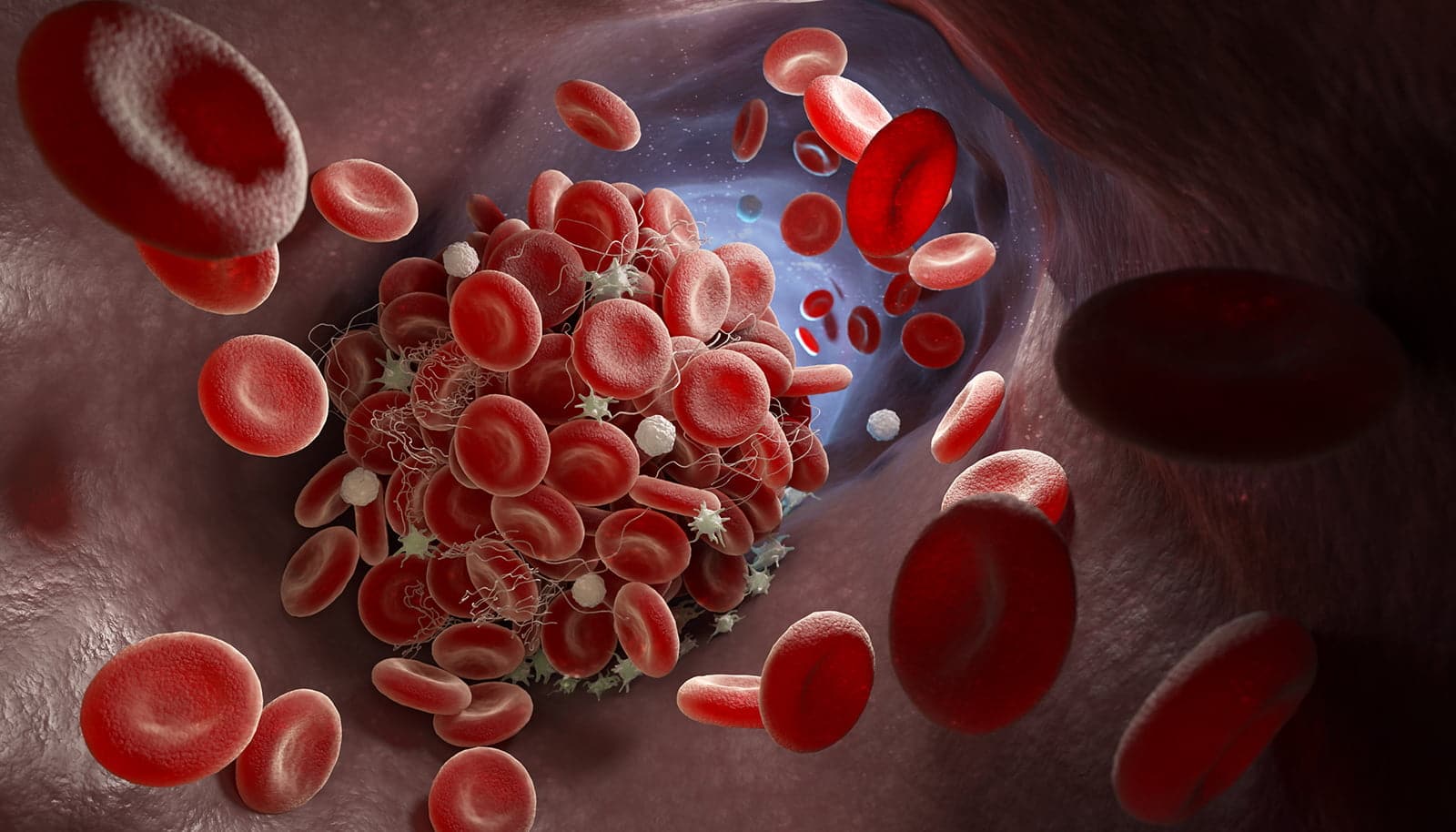
Anticoagulants (such as warfarin, synthroid or even high doses of aspirin) make it difficult for the blood to clot. During a tattoo this can mean:
* Increased bleeding during the session, which hinders the tattooist's work and the correct fixing of the ink.
* Risk of bruising or haematomas around the design.
* Slower healing and possibility that some pigment may be lost.
Recommendation: Never interrupt anticoagulant treatment on your own. Talk to your doctor before getting a tattoo and assess whether the procedure is safe for you.
Anti-inflammatories and analgesics
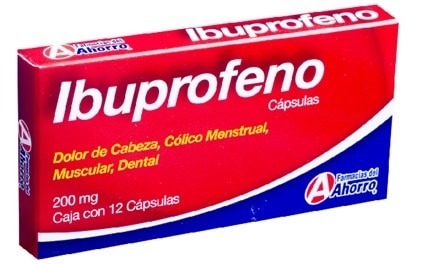
Common medications such as ibuprofen, naproxen or even high doses of paracetamol can affect the tattoo:
* Some anti-inflammatory drugs also have an anticoagulant effect, which increases bleeding.
* Taking them preventively to "reduce pain" is not recommended, as they may alter the process of the session.
* Excessive bleeding may prevent the ink from setting properly and affect the final result.
Recommendation: avoid self-medicating before getting a tattoo. If you have a low tolerance to pain, ask the tattooist: many studios prefer that the client has not taken anti-inflammatory drugs beforehand.
Other treatments to consider
* Corticosteroidscan affect healing and make the skin more fragile.
* Isotretinoin (for acne): it is recommended to wait 6 months after the end of the treatment, as the skin becomes extremely sensitive and heals poorly.
* ImmunosuppressantsThey reduce the body's ability to heal and increase the risk of infection.
Before getting a tattoo, it is essential to inform your tattooist if you are under medical treatment. Not all medications affect you in the same way, but in some cases it is better to wait or seek your doctor's approval if you are undergoing treatment.
A tattoo should always be a safe experience: your skin and your health are the priority. Honest communication with your tattoo artist and, when necessary, with your doctor, will make all the difference to a result that is both aesthetically pleasing and healthy.





1 thought on “Tatuaje y Medicamentos”
you have to take a course to get tattooed