
Tebori Tattooing: The Traditional Japanese Skin Art
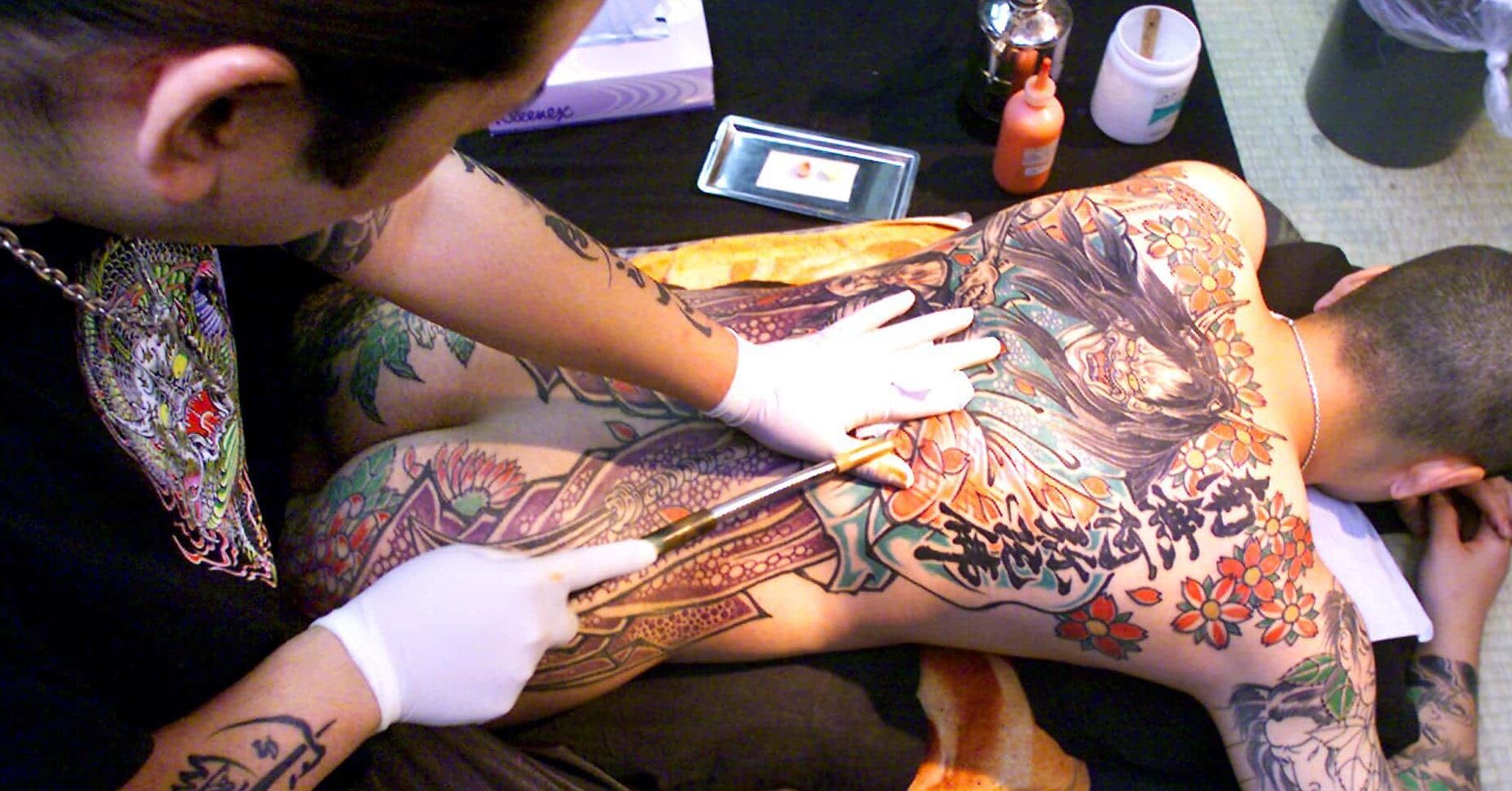
Tebori tattooing is one of the oldest and most revered tattooing techniques in the world. Originating in Japan, the practice is distinguished by its artisanal method of applying ink to the skin using hand tools rather than power machines. With a history dating back centuries, Tebori remains a respected art form practised by skilled tattooists around the world.
Origin and History of Tebori
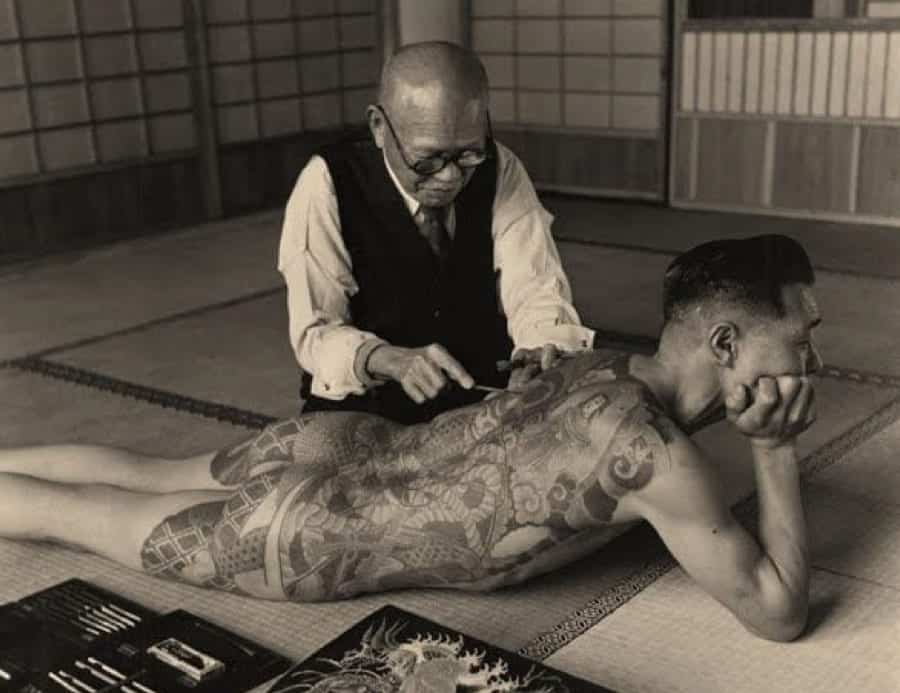
The word "Tebori" (手彫り) comes from Japanese and translates as "hand carving" or "hand engraving". The technique has its roots in the Edo period (1603-1868), when tattoos became popular among craftsmen, labourers and later yakuza, who adopted them as symbols of loyalty and commitment.
In the beginning, tattoos in Japan were used as punishment marks for criminals, but over time, the practice evolved into a sophisticated and elaborate art form. Tebori masters, known as "Horishi", developed intricate designs inspired by ukiyo-e (Japanese woodblock prints), mythology and Japanese traditions.
The Tebori Technique
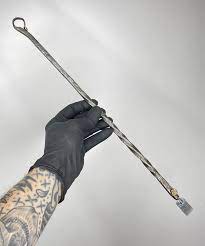
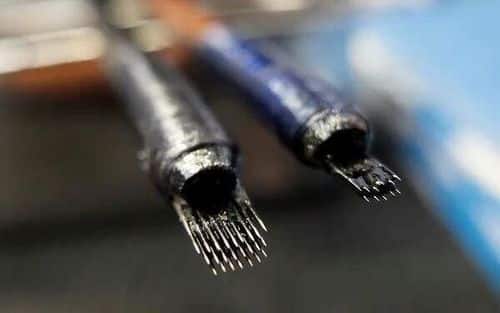
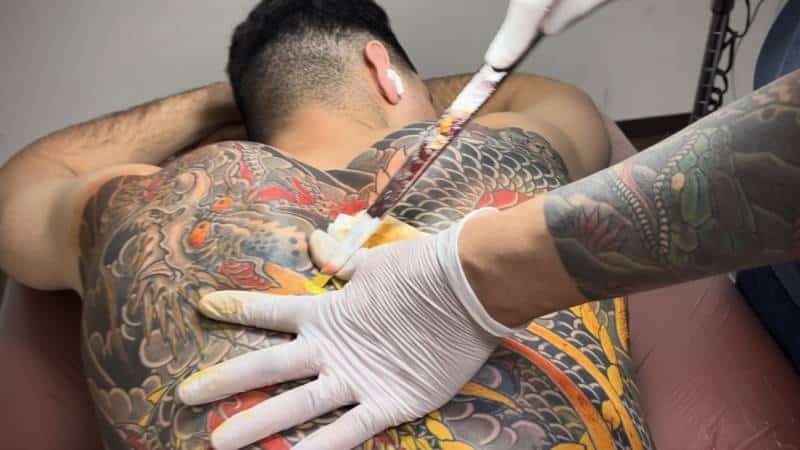
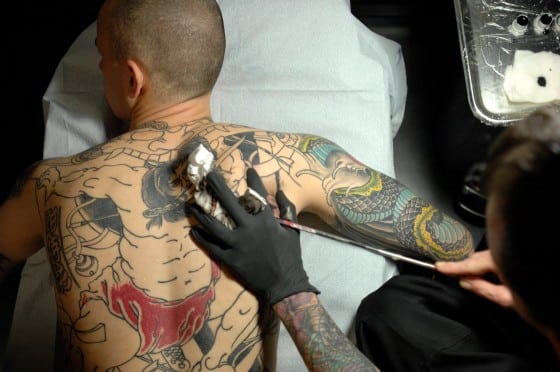
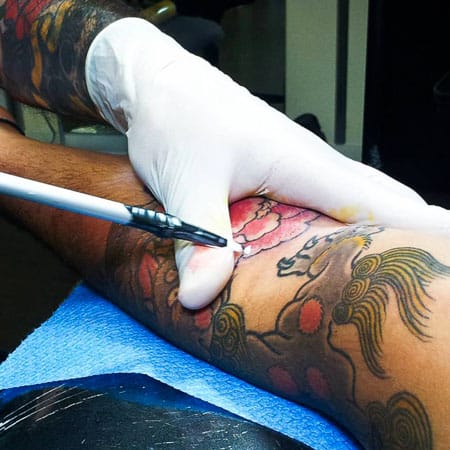
Unlike modern tattooing with electric machines, Tebori is done by using a hand tool called a 'nomi' or 'hari', which consists of a wooden or metal rod with needles attached to the tip.
The process is meticulous and requires great skill, as the tattooist uses rhythmic and controlled movements to insert the ink into the skin. Although this method may seem more painful, many clients describe the experience as less intense than that of an electric machine, due to the way the ink is deposited on the skin.
One of the advantages of Tebori is that it allows for greater colour saturation, resulting in vibrant and long-lasting tattoos. In addition, the healing process is usually faster than with electric tattooing, as there is less damage to the skin.
Tools and Materials Used
Traditional Tebori tools include:
- Special needlesThey are usually attached to a long bamboo or metal rod.
- Japanese inkTraditionally, charcoal-based black inks were used, but nowadays vibrant colours have been incorporated.
- Oils and ointmentsTo aid healing and reduce skin inflammation.
Typical Designs in Tebori
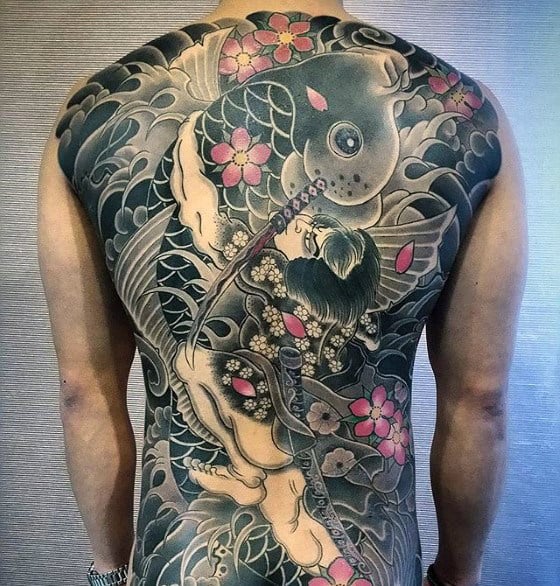
Tebori art is influenced by traditional Japanese iconography, with designs including:
- Dragons (Ryu)They represent power, wisdom and protection.
- Koi TentsSymbols of perseverance and success.
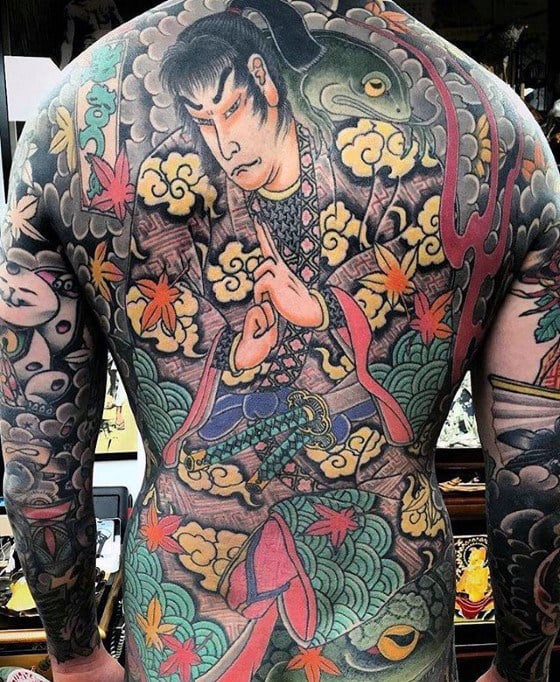
- Samurai WarriorsThey embody honour and courage.
- Oni (Japanese demons)They are used as amulets against bad luck.
- Cherry blossom (Sakura)It signifies the fleetingness of life and ephemeral beauty.
- Hannya (Female Demon Mask)Symbolises passion, jealousy and transformation.
These designs are often part of large compositions covering large areas of the body, such as the back, arms and legs, following traditional Irezumi (Japanese tattoo) patterns.
Curiosities and Interesting Facts
- Tebori is an art that is passed on from master to apprentice.Unlike modern tattoos, learning Tebori requires years of practice under the tutelage of a master tattooist.
- Each Horishi master has his own seal (Hanko)Traditional tattoo artists usually sign their work with a small stamp on the client's skin, similar to an artist's signature on a painting.
- It is a process that can take yearsSome full body tattoos (bodysuits) may require sessions over several years to complete.
- The Tebori technique is being rediscovered by modern tattooists.Although electric machines are more common, there is a growing interest in reviving and keeping alive this traditional technique.
- Tebori is a silent tattooUnlike the vibration and buzzing of electric machines, the Tebori produces only a faint sound of the needle piercing the skin.
Conclusion
Tebori tattooing is a unique manifestation of body art that combines tradition, history and manual dexterity. Its artisanal process and connection to Japanese culture make it a highly valued option for tattoo lovers. Although it requires patience and commitment, the results are impressive and long-lasting, making each piece a true work of art on the skin.
.
Leave us a comment about what you would like to get tattooed with this style!





1 thought on “Tatuaje Tebori”
the whole back