
Medical tattoos: can they save lives?
Tattooing has always been a form of personal and artistic expression, but in recent years a different and practical use has emerged: medical tattoos. These designs are not for aesthetics, but to convey vital information in the event of a health emergency. From blood type to the presence of a pacemaker, such tattoos can become a quick communication tool between patient and doctor. But what do health professionals think and how effective are they?
What are medical tattoos?
Medical tattoos are inscriptions or symbols on the skin that contain relevant information about a person's health. The idea is that, in the event of an accident or loss of consciousness, health workers can access this data immediately, without the need for medical documents or bracelets.
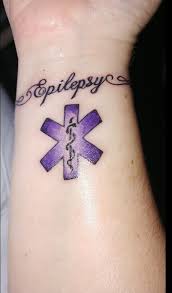
Unlike cosmetic tattoos, these are usually placed in visible and strategic areas, such as the forearm, wrist or chest, and use clear typography or universal icons (such as the medical cross or the diabetes symbol).
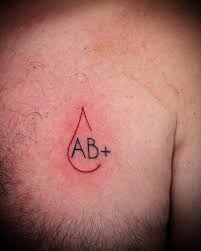
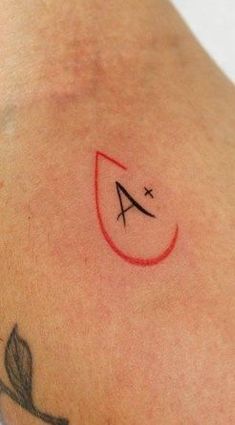
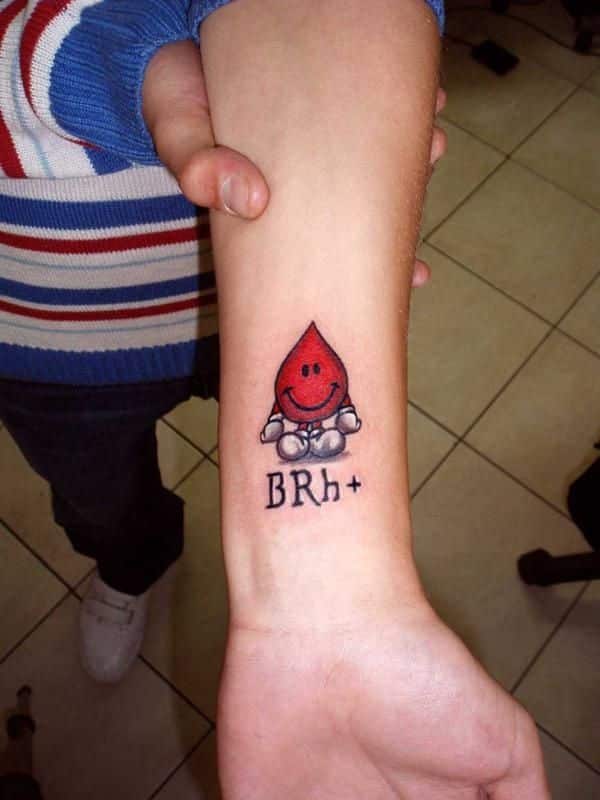
Blood group
It is one of the most common medical tattoos. Indicating whether you are A+, O-, etc., can speed up transfusion in critical situations. However, many doctors warn that they would never rely on the tattoo alone: laboratory tests are always done before transfusion to avoid fatal errors.
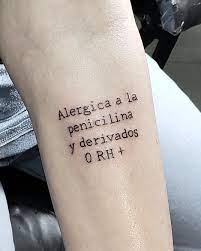
Severe allergies
People with allergies to penicillin, morphine or latex choose to get a clear warning tattoo. In emergencies, this can prevent the administration of dangerous drugs.
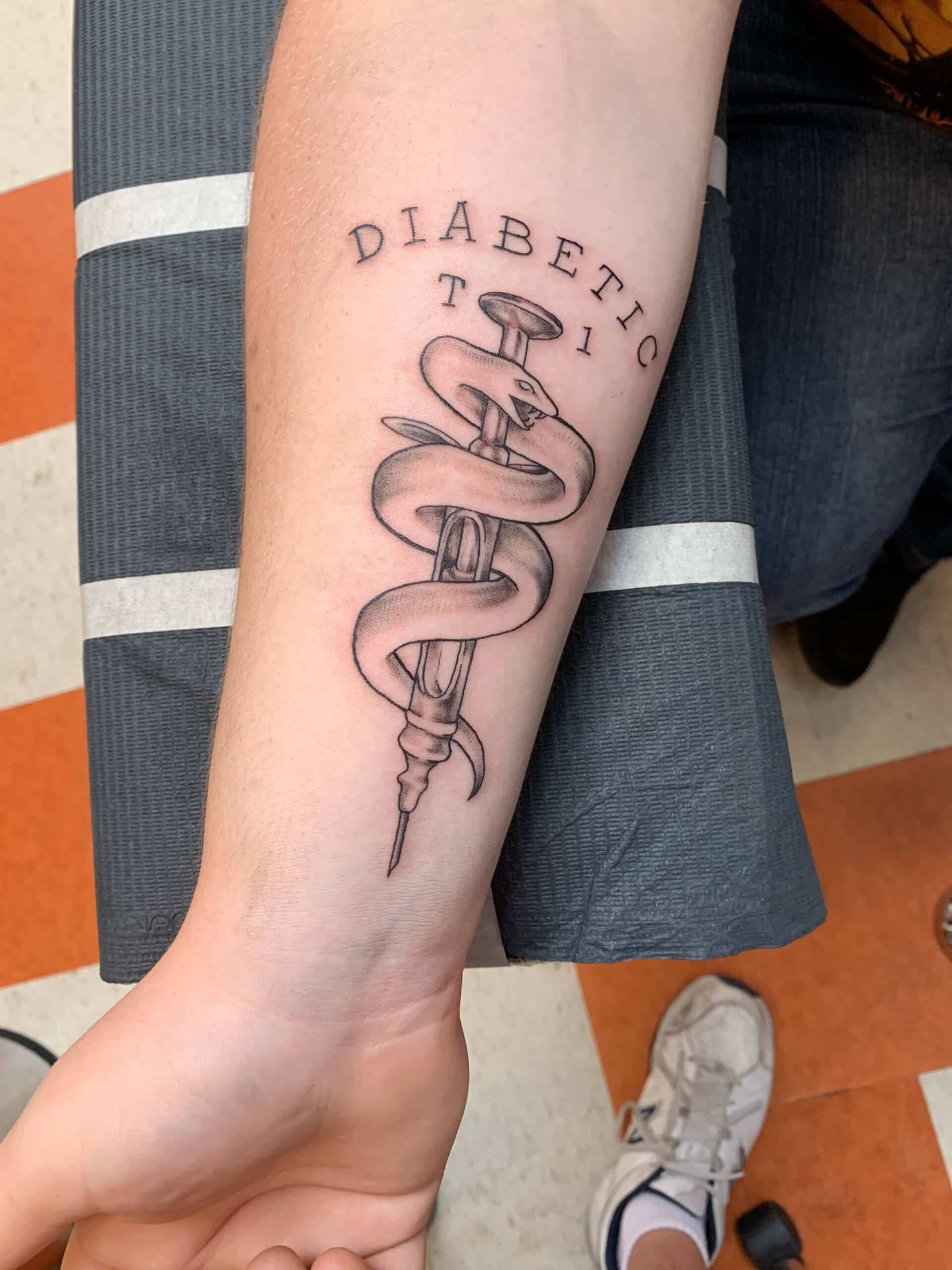
Chronic conditions
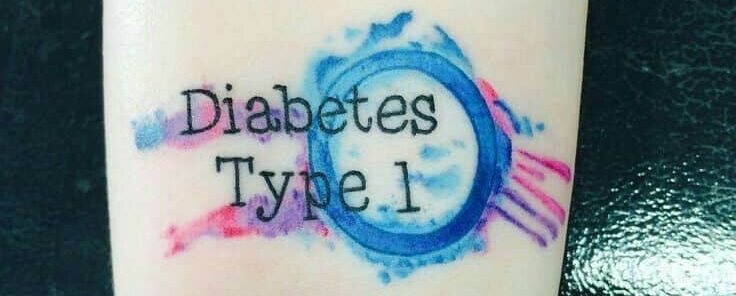
People with diabetes, epilepsy or heart failure can have their diagnosis tattooed to facilitate rapid treatment in the event of a seizure. For example, a "Diabetic" tattoo on the wrist can alert emergency personnel to the need for glucose monitoring.
Pacemakers and prostheses
Some patients choose to have the word "pacemaker" or a related symbol tattooed on their chest. This helps medical teams know that there is an implanted device that may interfere with procedures such as an MRI.
Transplanted organs or vital medication
There are cases of people with tattoos indicating "Kidney Transplant" or the need for continuous immunosuppressive medication.
The medical vision
Physicians acknowledge that such tattoos can be useful as an initial clue, but insist that they are not a substitute for a patient's medical history and medical verification protocols. A tattoo may have become irrelevant if the patient's condition has changed or if the severity of the condition has increased.
Moreover, there is the same legal dilemma as with "Do Not Resuscitate" tattoos: a tattoo, by itself, is not an official document. The experts' recommendation is that these tattoos should be used as a complement to medical bracelets, health cards or electronic records.

Thanks to Sonia Acme for the information provided for this article.




1 thought on “Tatuajes Médicos”
How cool!