
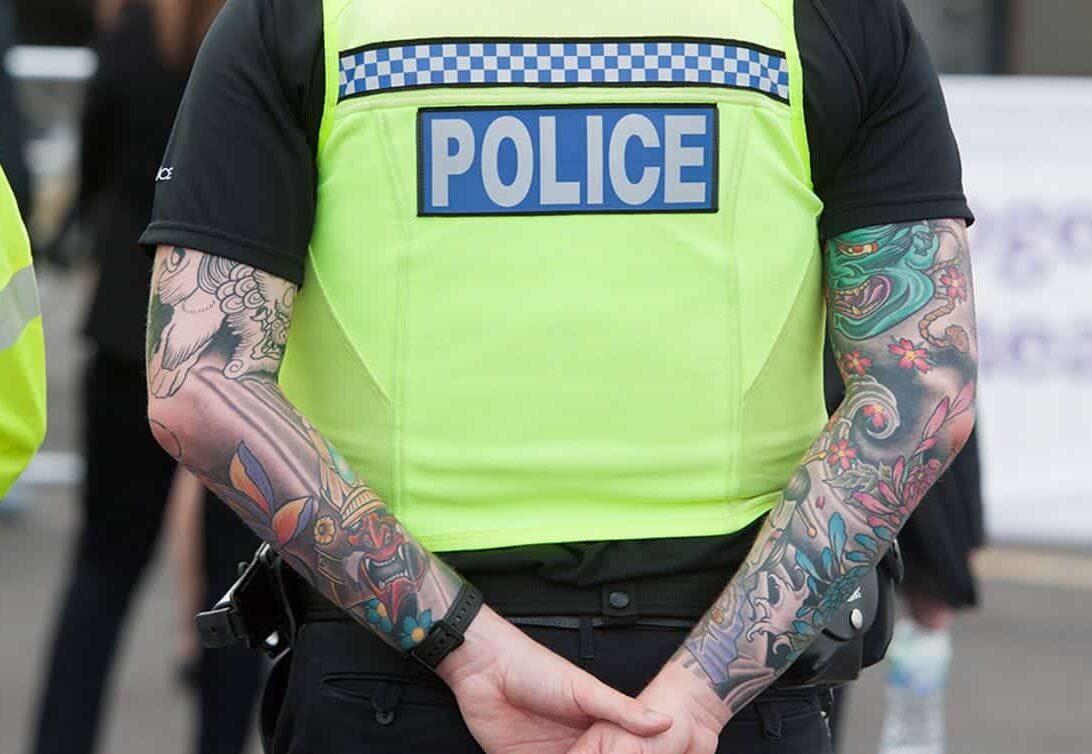
Tattoos in the Working Environment
Tattoos have become an increasingly accepted form of expression in society, and Spain is no exception. However, their acceptance in the workplace still varies considerably between sectors and types of employment. In this article, we explore which professions have restrictions, how to find out about your workplace policies, the employment options if you have visible tattoos, how to cover them if necessary, and the legality of these practices.
Professions with Restrictions on Visible Tattoos
Although acceptance of tattoos has grown, there are sectors that still maintain strict policies on the appearance of their employees. Here we highlight some of them:
Armed Forces and Security Forces
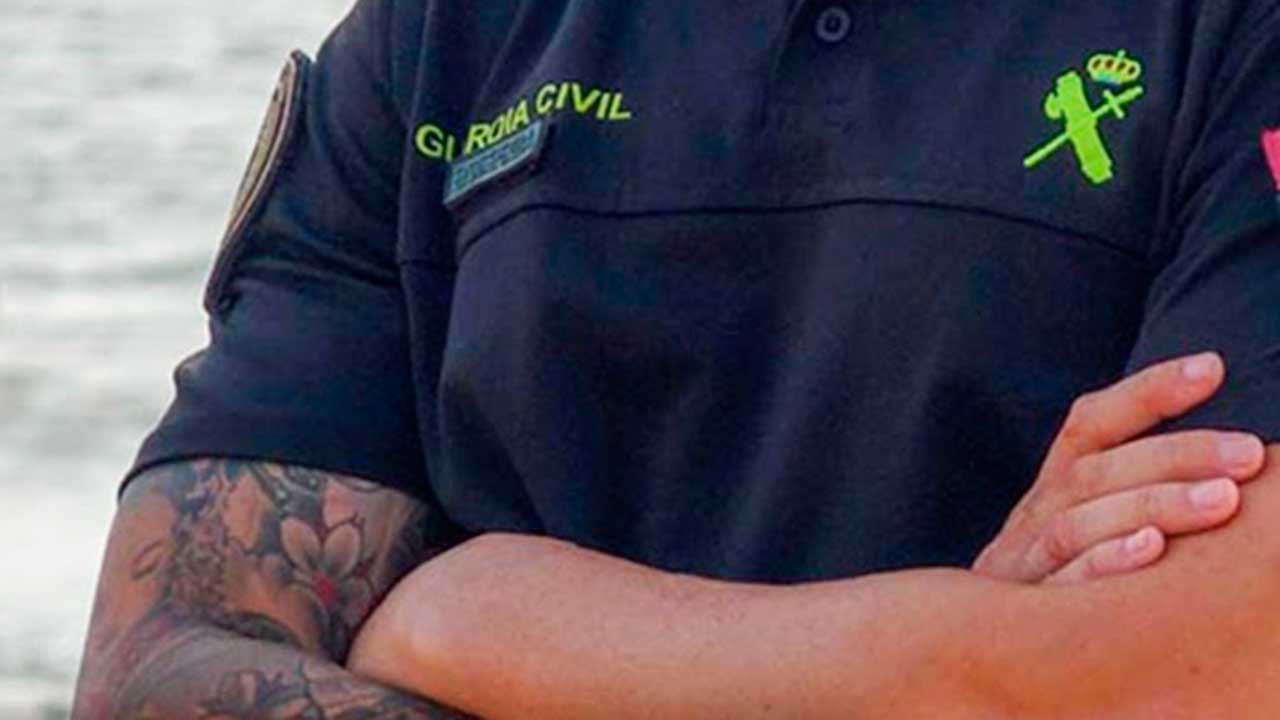
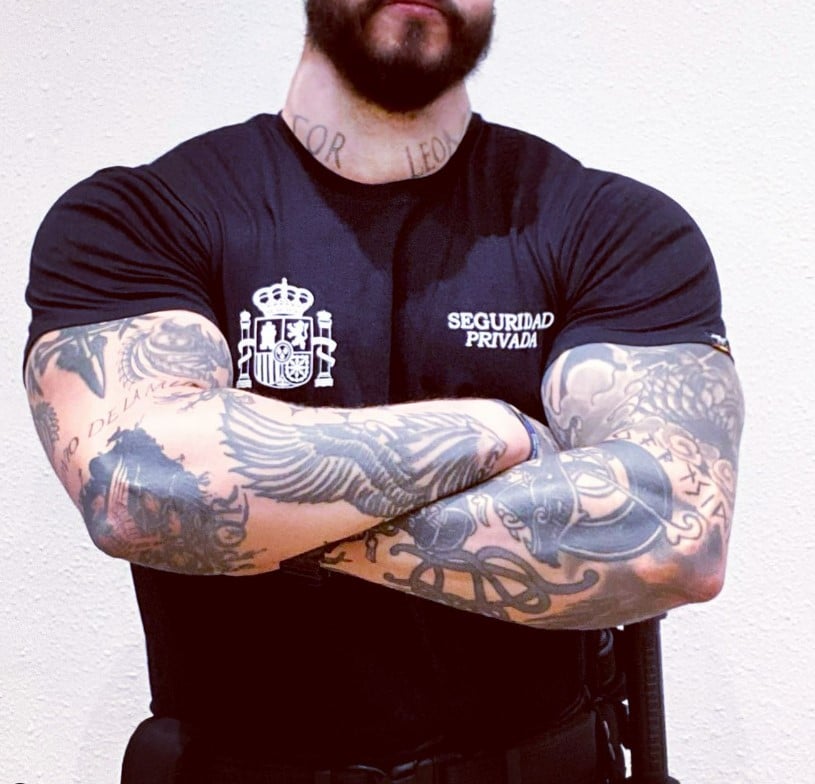
Law enforcement agencies, such as the National Police and the Guardia Civil, impose strict rules on visible tattoos. Restrictions usually focus on avoiding tattoos on areas such as hands, neck and face. The reasons go beyond aesthetics, focusing on projecting a professional and uniform image.
- Specific detailsIn many law enforcement competitions, visible tattoos are not allowed during the selection process. However, once you have been recruited, some institutions may allow certain tattoos as long as they are not offensive or contrary to the values of the organisation. For example, in 2021, the Guardia Civil allowed visible tattoos that met these criteria.
Financial and Corporate Sector
Banks and companies in the financial sector have traditionally maintained a conservative aesthetic. In general, employees of banks, insurance companies and consulting firms should follow dress codes that reflect seriousness and professionalism, which may include restricting visible tattoos.
- Example policiesWhile it is rare for restrictions to change after hiring, some companies allow a little more flexibility once an employment relationship is established and the employee's performance has been demonstrated.
Hotel and Catering
While some bars and cafés are flexible, high-end hotels and restaurants tend to have strict standards. This is due to the need to maintain a pristine image in line with the perceived quality of service.
Education
In education, especially in primary and pre-primary education, the appearance of teachers plays an important role. Although not all institutions apply restrictions, some prefer that teachers do not have visible tattoos in order to project an image that they consider appropriate for the children's environment.
- Flexibility after recruitmentDepending on the school, rules may be relaxed after recruitment, as long as the tattoos are not offensive.
Health
The healthcare sector has shown growth in the acceptance of tattoos, but limitations remain, especially in roles with constant interaction with patients. The perception of trust and professionalism may influence the policies of some hospitals and clinics.
- Post-recruitment situationIn some hospitals, standards may be relaxed once the employee has been hired, as long as the tattoos do not violate ethical or professional codes.
How to Check if Your Job Allows Tattoos
A good strategy to find out if your workplace has tattoo restrictions is to follow these steps:
- Consult the employee handbookMany companies include dress code policies in their internal manuals.
- Talk to Human ResourcesIf in doubt, the safest thing to do is to ask the Human Resources department directly.
- Observe your colleaguesObserving whether other employees have visible tattoos can give a clue about the flexibility of the company.
- Interview questionIf you are looking for a job, don't be afraid to ask about the tattoo policy during the selection process.
Sectors with Highest Acceptance
Fortunately, the inclusion of tattoos in the workplace has progressed in many sectors:
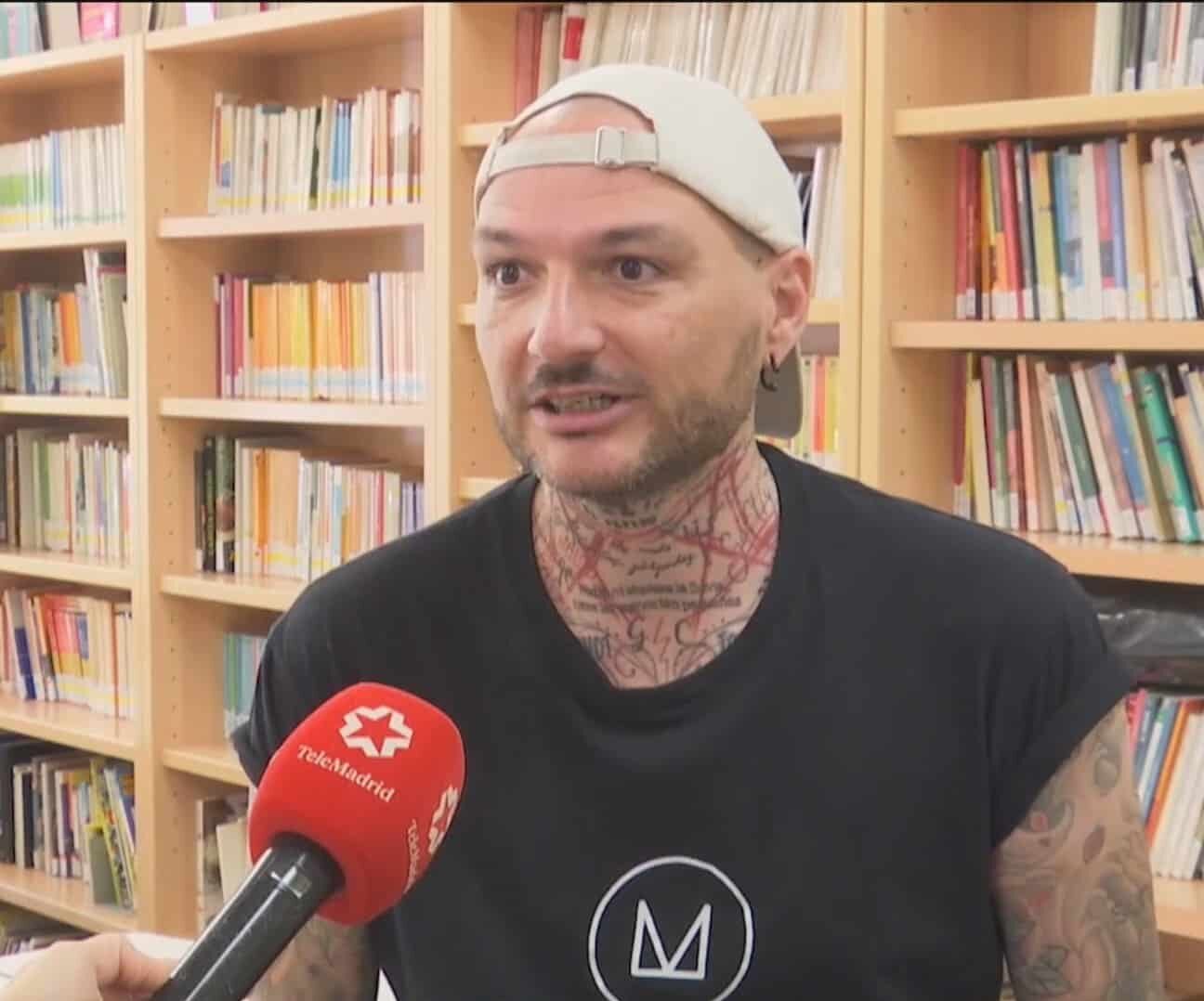
- Creative industriesArt, fashion, graphic design and media professions are generally open to self-expression.
- Technology: Tech companies and startups tend to value creativity and diversity, but don't put much stock in tattoos.
- Trade and salesThe shops aimed at a young public tend to be more flexible with the aesthetics of their employees.
- Accommodation and ServicesAlthough high-end establishments may have restrictions, many bars and restaurants allow visible tattoos.
- Athlete and Influencer: It does not condition their contracting, and even gives them value in terms of marketing their image.
- Self-employed: In this case, they have complete freedom, as their image is not usually questioned when hiring them.
Options for Covering Tattoos
If your job requires you to hide your tattoos, here are some effective options:
- Appropriate clothingLong sleeved shirts, high collars and long trousers can be a simple solution.
- Specialised make-upThere are water and sweat resistant make-up products that effectively cover tattoos.
- AccessoriesWatches, bracelets and rings can disguise tattoos on hands and arms.
Legality of Tattoo Restrictions
In Spain, companies have the right to establish dress and appearance codes, as long as these policies are not discriminatory. If a rule on tattoos appears to violate fundamental rights, it could be considered illegal. If in doubt, it is advisable to consult a lawyer specialised in labour law.
Conclusion
While some sectors continue to impose restrictions, others are increasingly open to diversity and self-expression. Researching your industry's policies, talking to HR and observing the work environment can help you manage these rules successfully. And if you need to hide your tattoos, there are practical solutions that can help you meet professional expectations. Being informed and knowing your rights is key to making informed decisions about your career and personal appearance.








1 thought on “Tatuajes y Trabajo”
if everyone is tattooed