
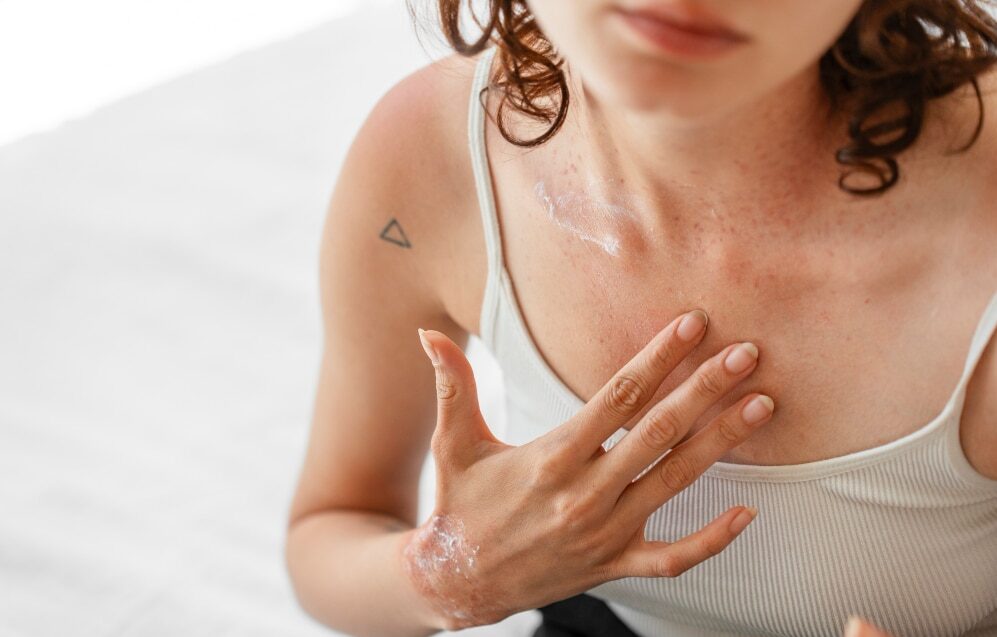
Can I get a tattoo if I have skin problems?
Everything you need to know before you do it
Getting a tattoo is a form of art and self-expression, but it is also a procedure that involves the health of your skin. So if you suffer from skin problems such as dermatitis, psoriasis, acne, allergies or extreme sensitivity, it is normal to have doubts before going under the needle.
In this article we explain what you should bear in mind if you have a skin condition, when it is safe to get a tattoo and what precautions are essential to avoid complications.
When you get a tattoo, the needles pierce the skin to deposit the ink in the dermis. If the skin is already damaged or inflamed, the risk of a reaction increases. This is why not all skin conditions are compatible with tattooing at all times.
The most important thing is that the skin is in the best possible condition: no active breakouts, open wounds or irritations.
Tattoos and dermatitis
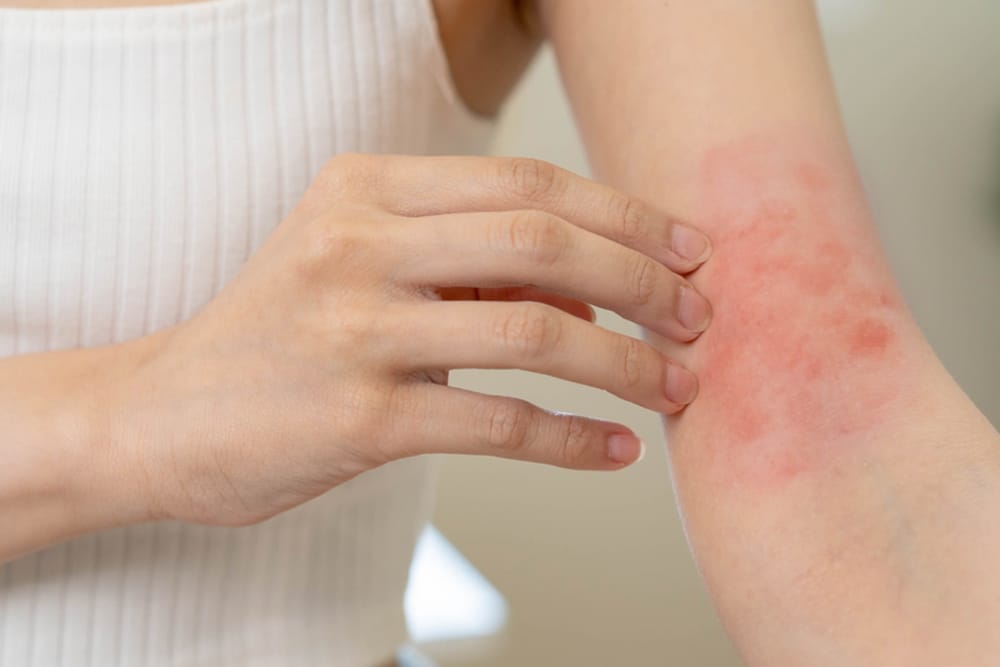
If you suffer from atopic or contact dermatitis:
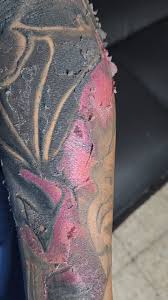
* You should not tattoo during an active outbreak (when the skin is red, dry or cracked).
* It is essential to moisturise the area well weeks before tattooing to reinforce the skin barrier.
* Always inform the tattooist of your condition: he/she can avoid products with fragrances or inks that may irritate.
👉 Tip: If the dermatitis appears only in specific areas, choose an area of the body that is not usually affected.
Tattoos and psoriasis
People with psoriasis can get tattooed, but with caution.
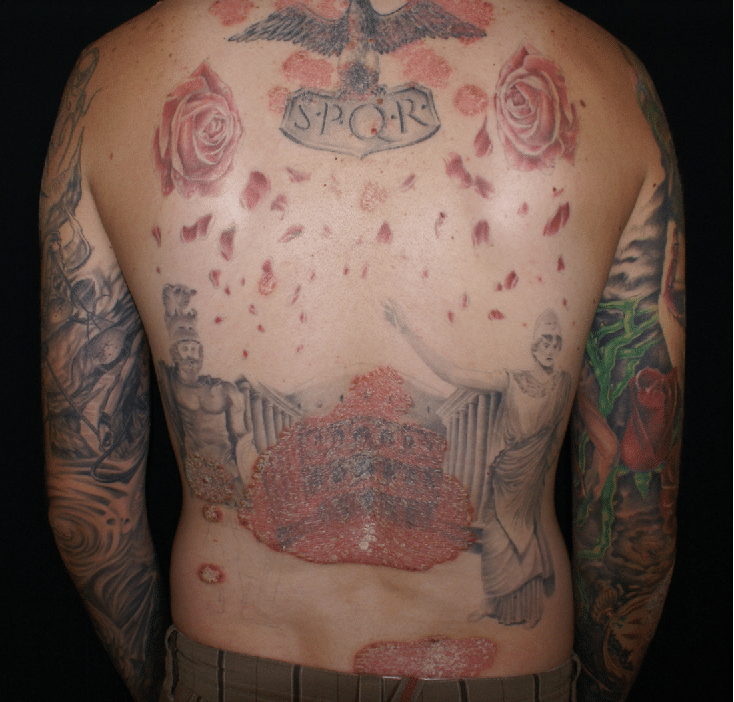
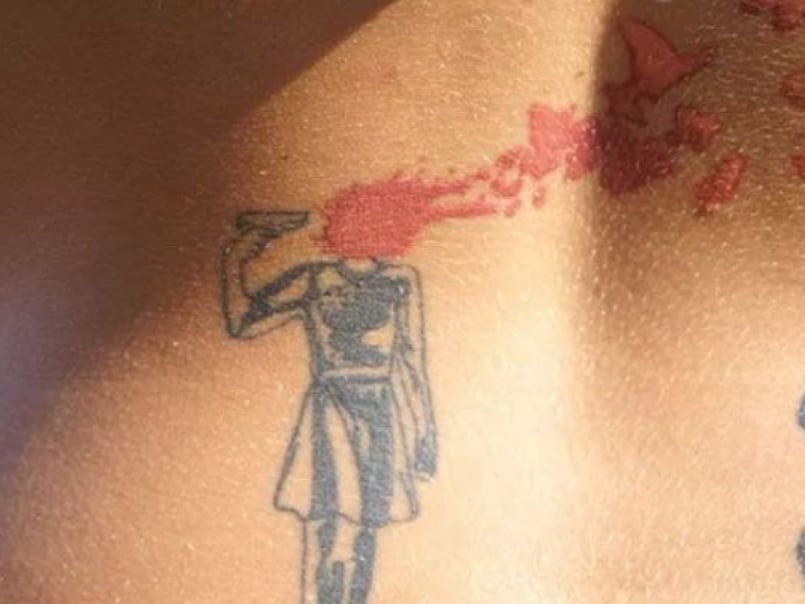
* It is not recommended to tattoo an active plate, as the injured skin may react badly to the ink.
* There is the so-called Koebner phenomenon, whereby trauma to the skin (such as a tattoo) can trigger a new psoriatic lesion in that area.
* It is best to get tattooed during periods of remission, when the skin is stable, and after consultation with the dermatologist.
Skin allergies or sensitive skin
Some people have extremely reactive skin or a history of allergies to cosmetics or metals. In these cases:
* Always inform the tattooist: a small amount of ink can be tested for sensitivity before the tattoo is completed.
* Opt for hypoallergenic or vegan inks, which reduce the risk of irritation.
* Avoid very large tattoos or areas with thin skin (such as the neck or wrists) if your skin reacts easily.
Special care after tattooing
If your skin is delicate or prone to irritation:
- Maintain gentle and constant hygiene, without rubbing the area.
- Use creams recommended by your tattooist, without perfumes or alcohol.
- Avoid tight clothing or chafing.
- Do not pick off scabs or scratch the skin, even if it itches.
- If you notice inflammation, rash or discharge, see a dermatologist immediately.
Having a skin problem does not mean that you cannot get a tattoo, but it does mean that you should do it with more caution and planning. The key is to wait until your skin is healthy, consult your dermatologist if you have any doubts and always go to a professional studio with good hygienic conditions.
Tattooing can coexist perfectly well with sensitive skin or certain skin diseases, as long as the timing is respected, the right products are chosen and the details are taken care of.
We are grateful for the advice of Sonia to make this article.





2 thoughts on “Tatuaje y Enfermedades de la Piel”
Hello, if I don't have dermatitis on my leg, I can get a tattoo without any problems.
If you can get a tattoo