
How to calculate the ideal size of your tattoo? A practical guide to make sure you don't get it wrong
When you decide to get a tattoo, one of the first questions that comes to mind is: What is the best way to get a tattoo? What size should I get? This is not a minor issue. The size of a tattoo directly influences its aesthetics, the duration of the session, the price and, above all, the final result. Choosing the right size for the design not only ensures that the tattoo looks good, but also ensures its durability over time.
Here are the main factors to consider when calculating the size of your tattoo.
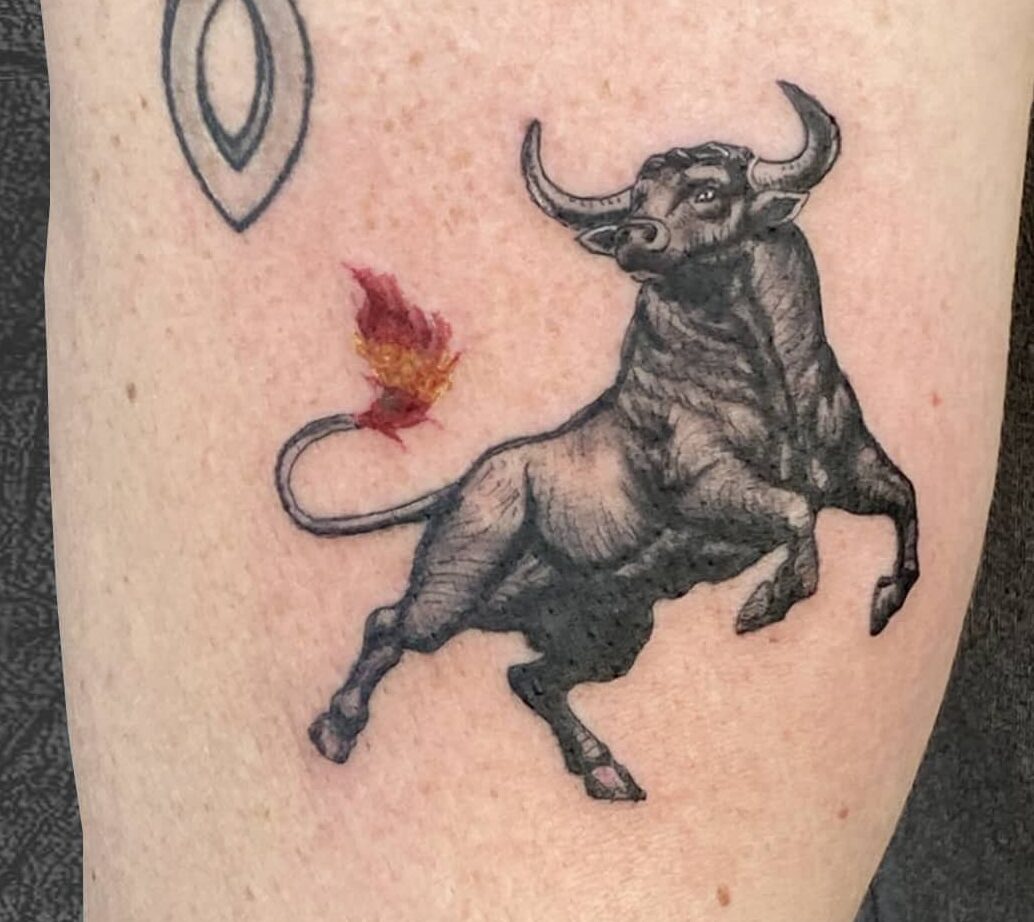
The level of design detail
The first and most important factor to consider is the level of detail of the tattoo. The more complex the design, the more space you will need for each stroke to be visible and legible.
For example:
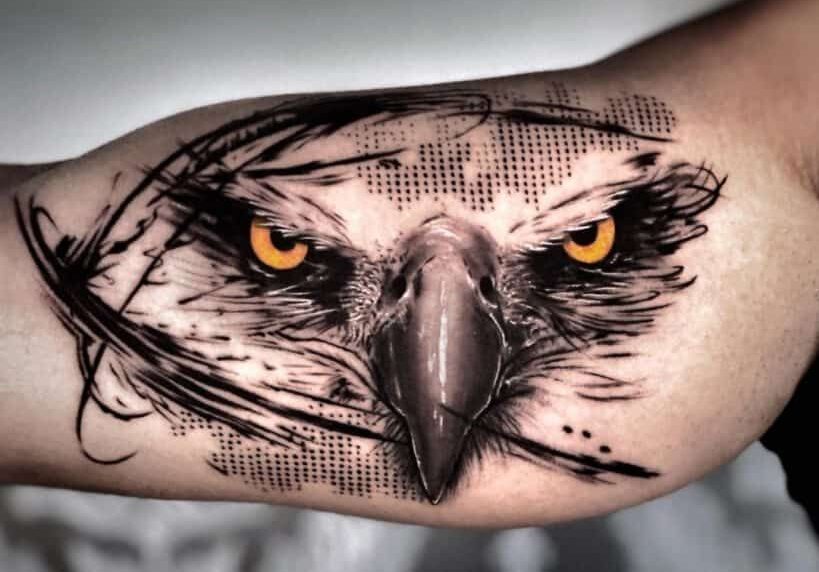
- A realistic portrait needs a minimum of 10-15 cm height to capture facial expressions, shadows and key details.
- A mandala with many small patterns will not work well in a 4 cm space; lines will be lost over time.
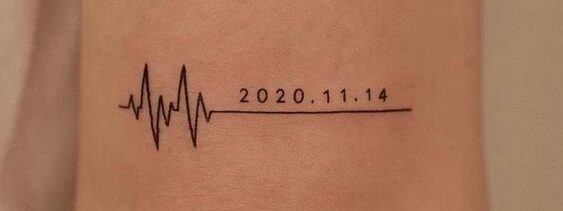
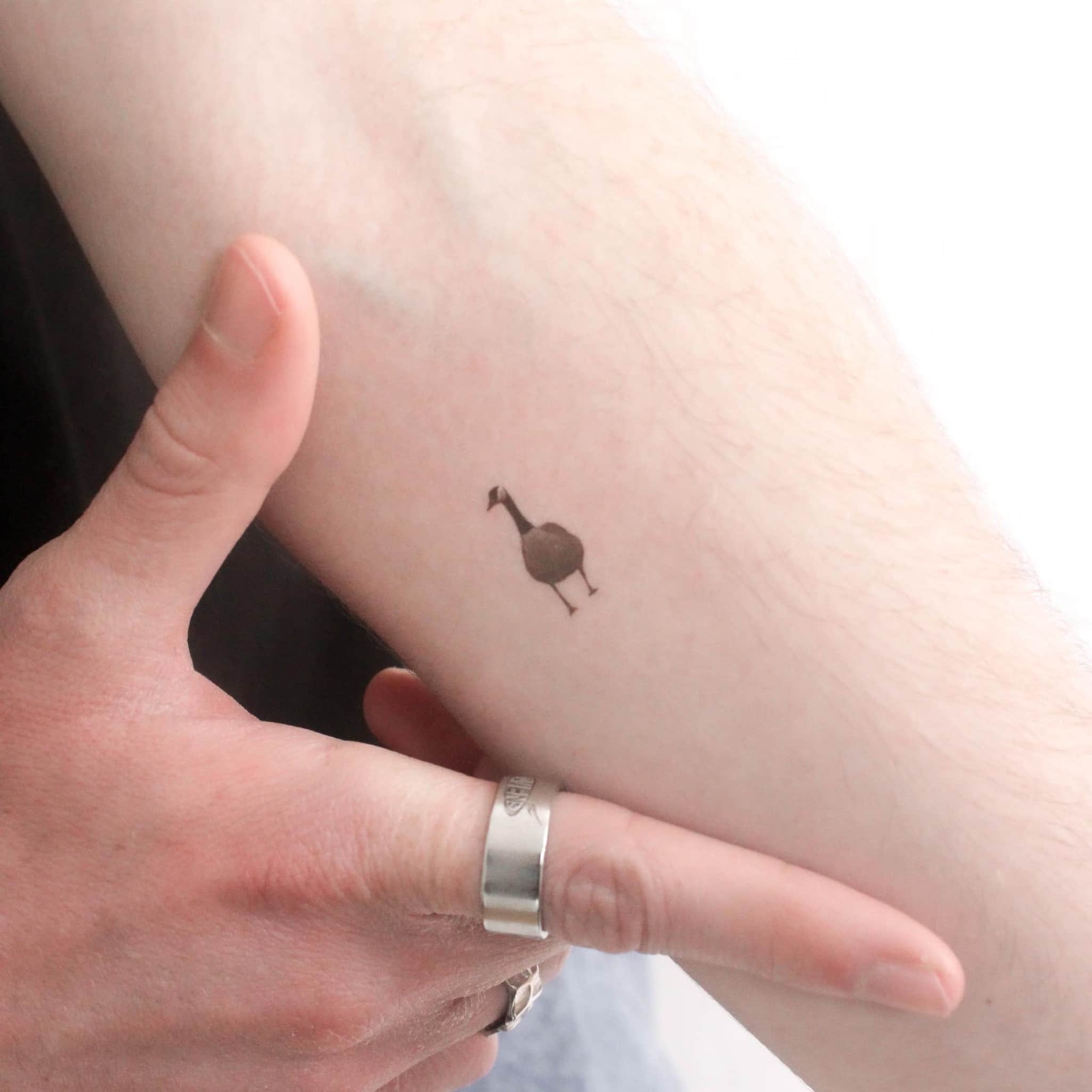
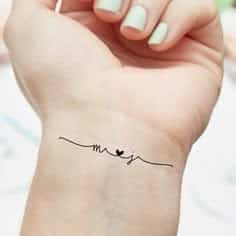
- A minimalist design, such as a silhouette or a word, can look great on 3-5 cm.
Basic ruleThe greater the detail, the larger the size.
The area of the body where the tattoo will go
The location of the body also conditions the size. Some areas are more "visual" or open, while others are limited by shape or space.
- Back, thighs, chest or whole arm allow large and widespread tattoos.
- Wrists, ankles, fingers or behind the ear require smaller and simpler designs.
In addition, curved or folded areas can distort a design if it is too small. For example, very small text on the side of a finger could become illegible in a short time.
The proportion of the design in relation to the body
A tattoo that is too small in a large area can appear disproportionate. On the other hand, a tattoo that is too large in a small area can be disproportionate.
For example:
- A 2 cm heart may look good on the forearm, but it will be visually lost on the back.
- A large, rectangular design may fit better on the thigh or calf, while an elongated, upright design fits better on the forearm or spine.
CouncilThe size of the design should "accompany" the anatomy, not compete with it.
How is a tattoo measured?
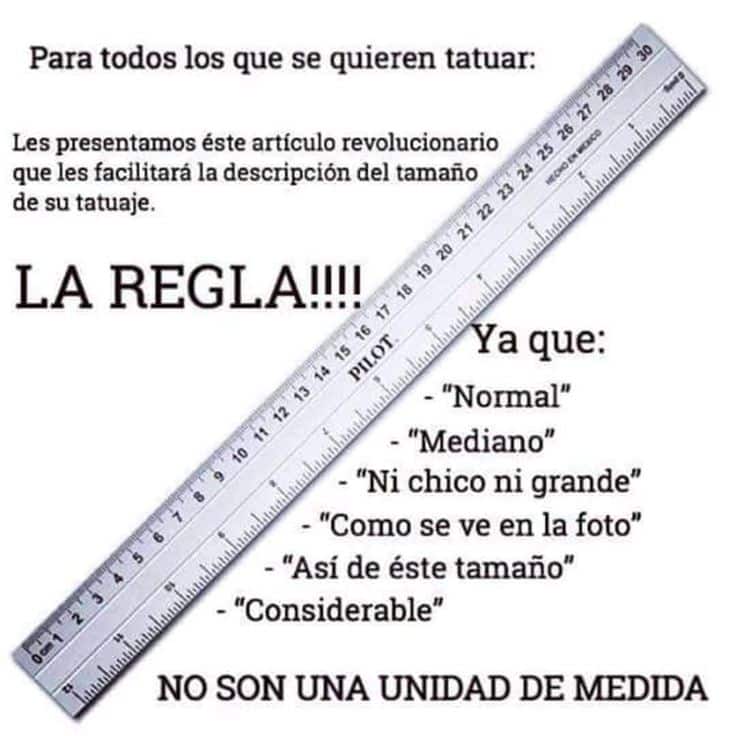
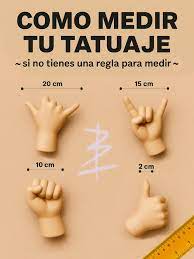
In general, tattooists use centimetres to measure the height and width of the design. For example, a 10×15 cm tattoo would be a medium-large design.
A practical way to visualise this at home is:
- Use a ruler to mark the height and width on your skin.
- Cut out a piece of paper with these measurements and place it where you want the tattoo.
- Look at it from different distances or take a photo for perspective.
Small tattoos: what you need to know
Many people want "thin and tiny" tattoos, but not all designs can withstand reduction. Fine lines tend to expand slightly over the years. This is why many tattooists refuse to do very detailed tattoos in sizes smaller than 3 cm.
It is also important to remember that the ink sits inside the skin, not on it, so there is a technical limit to how thin a stroke can be.
Always consult your tattooist
Every professional has his or her own style and knows what works in the long term. Having a clear idea is fine, but it is essential to get advice on the right size. A good tattoo artist will adapt the design to your anatomy and what the design needs to look good over time.
Don't trust photos you can see on the internet, they are montages and are not real tattoos.
In a nutshell
To calculate the ideal size of your tattoo, you should take into account:
- The level of detail of the design
- The area of the body where it will go
- The ratio with your body
- The technical limitations of the chosen style
A well-sized tattoo not only looks better, but also ages more gracefully. If in doubt, it is always better to err on the side of "big" rather than "small".
Do you want to know if your design fits the size you have in mind? At Acme Tattoo We will be happy to help you decide with a personalised assessment.






1 thought on “Cómo calcular el tamaño de tu tatuaje”
always great