

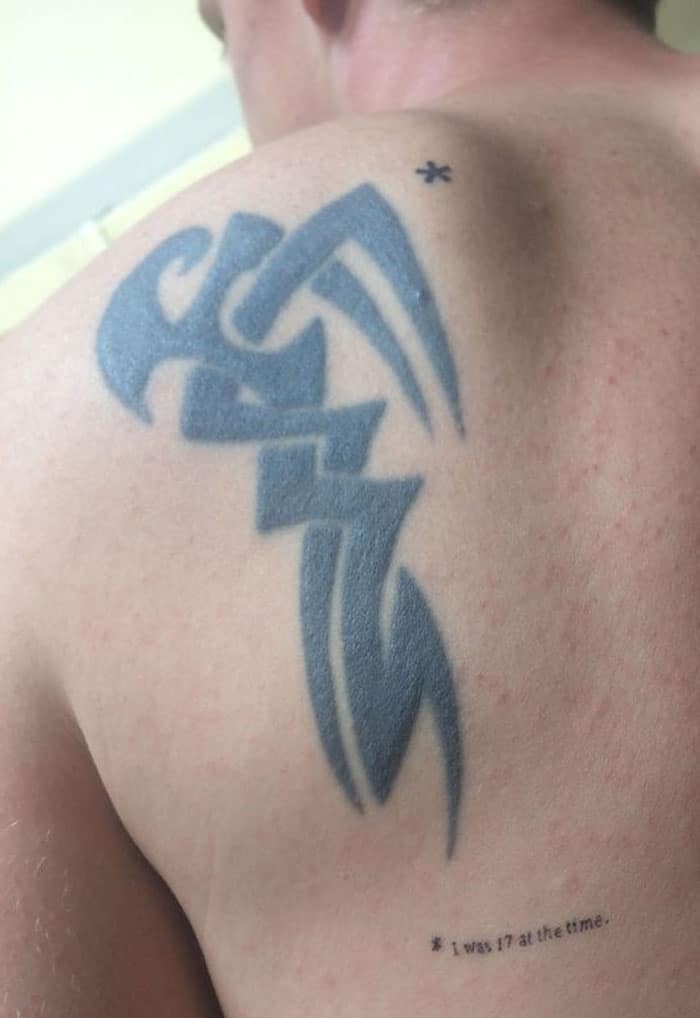
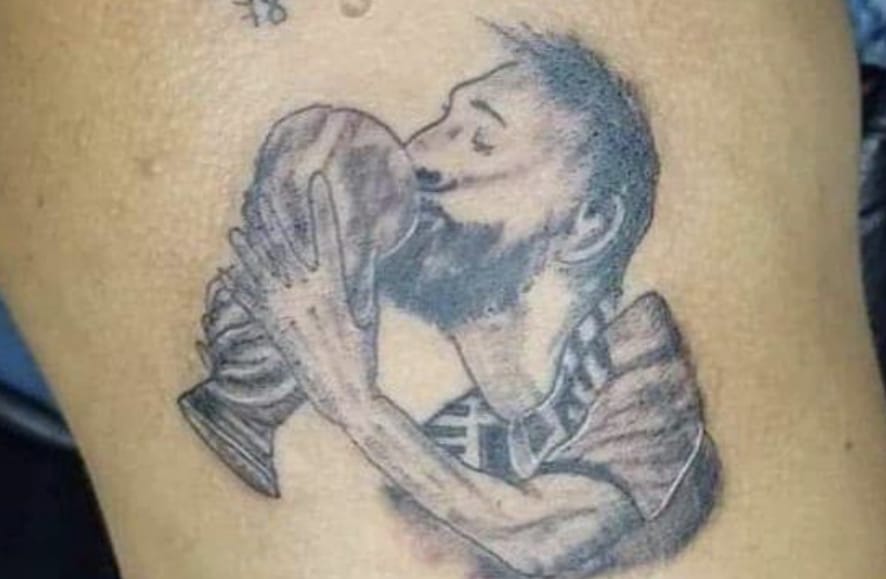
If you have left the tattoo shop and on closer inspection you realise that the tattoo is not well done, it is normal to feel disappointed. A tattoo is an artistic expression and, for many, has a deep personal meaning. However, tattoo mistakes can happen, whether due to lack of experience on the part of the artist, communication errors, or simple accidents. Here are four practical solutions to consider if you find yourself in this situation.
1. Contact the tattooist and ask for a correction.
The first step should always be to contact the tattooist who did the work. Most professional tattooists are aware of the importance of customer satisfaction and, if the mistake is the result of poor work, they will usually offer to fix it, of course at no extra cost. It is important that you speak politely and make your concerns clear. Document the condition of the tattoo with clear photos so they can see the problem and, if necessary, go to the shop for an in-person assessment.
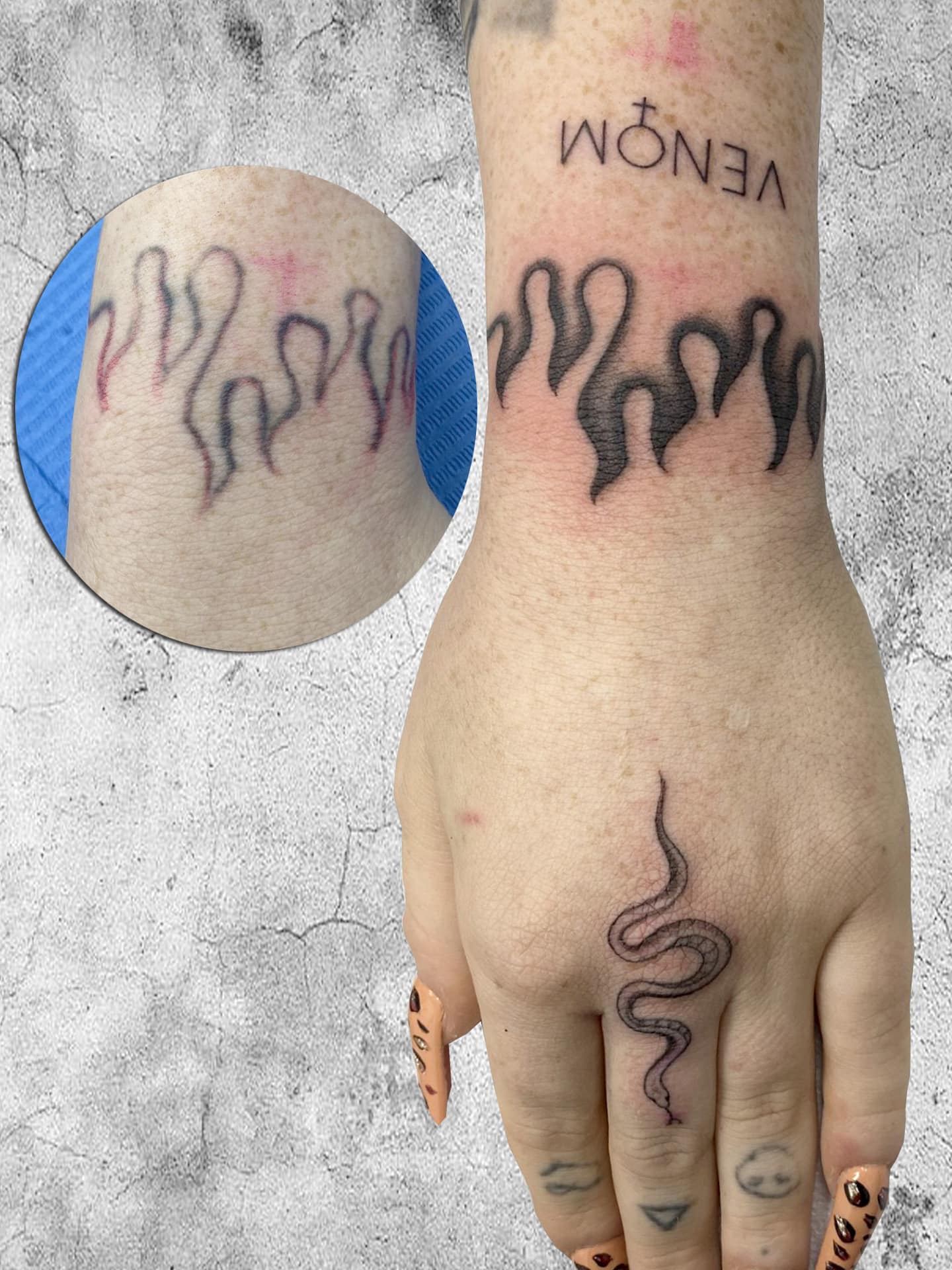
Retouching is a very common solution in cases where the problem is minor, such as crooked lines, small shading mismatches or areas that were not completely filled in. However, for more serious problems, such as design errors or if the skin has not healed well, it may be necessary to discuss other options with the tattooist.
2. Consult another tattooist for a second opinion or correction.
If you don't feel comfortable going back to the same artist, or if you feel they don't have the skills to correct the problem, seeking a second opinion from a different tattoo artist is a valid option. A more experienced tattoo artist can assess the damage and offer solutions, whether it's a touch-up, a more complex fix or even a redesign of the tattoo to cover up the mistake.
It is important to do your research before choosing a new tattoo artist. Make sure he or she is a professional with experience in cover-ups. In this type of case, the skill of the artist is crucial, as fixing a defective tattoo requires skill and creativity to hide the mistake without losing the essence of the original design or, if necessary, creating a completely new one.
3. Opting for a cover-up (covering the tattoo)
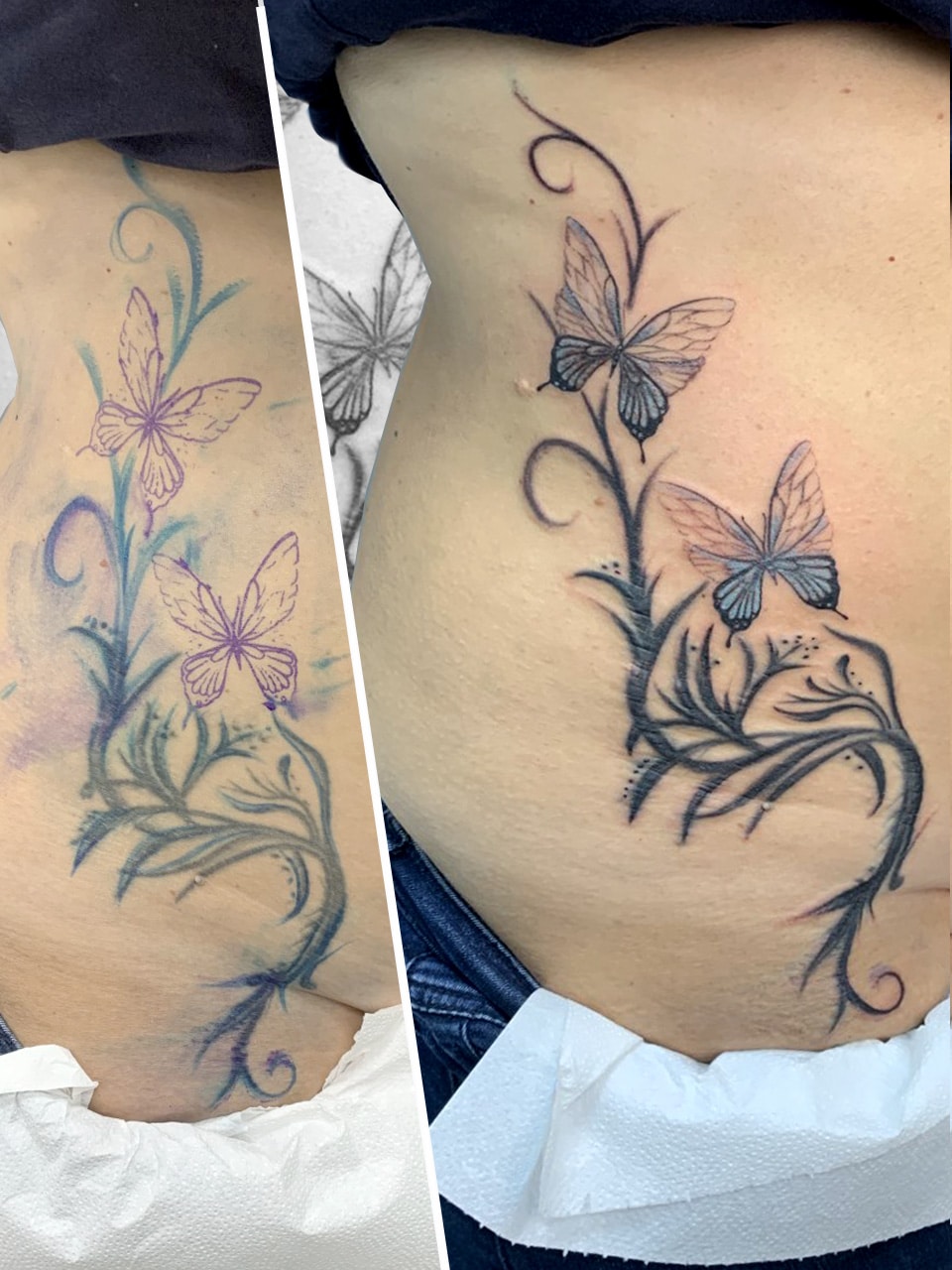
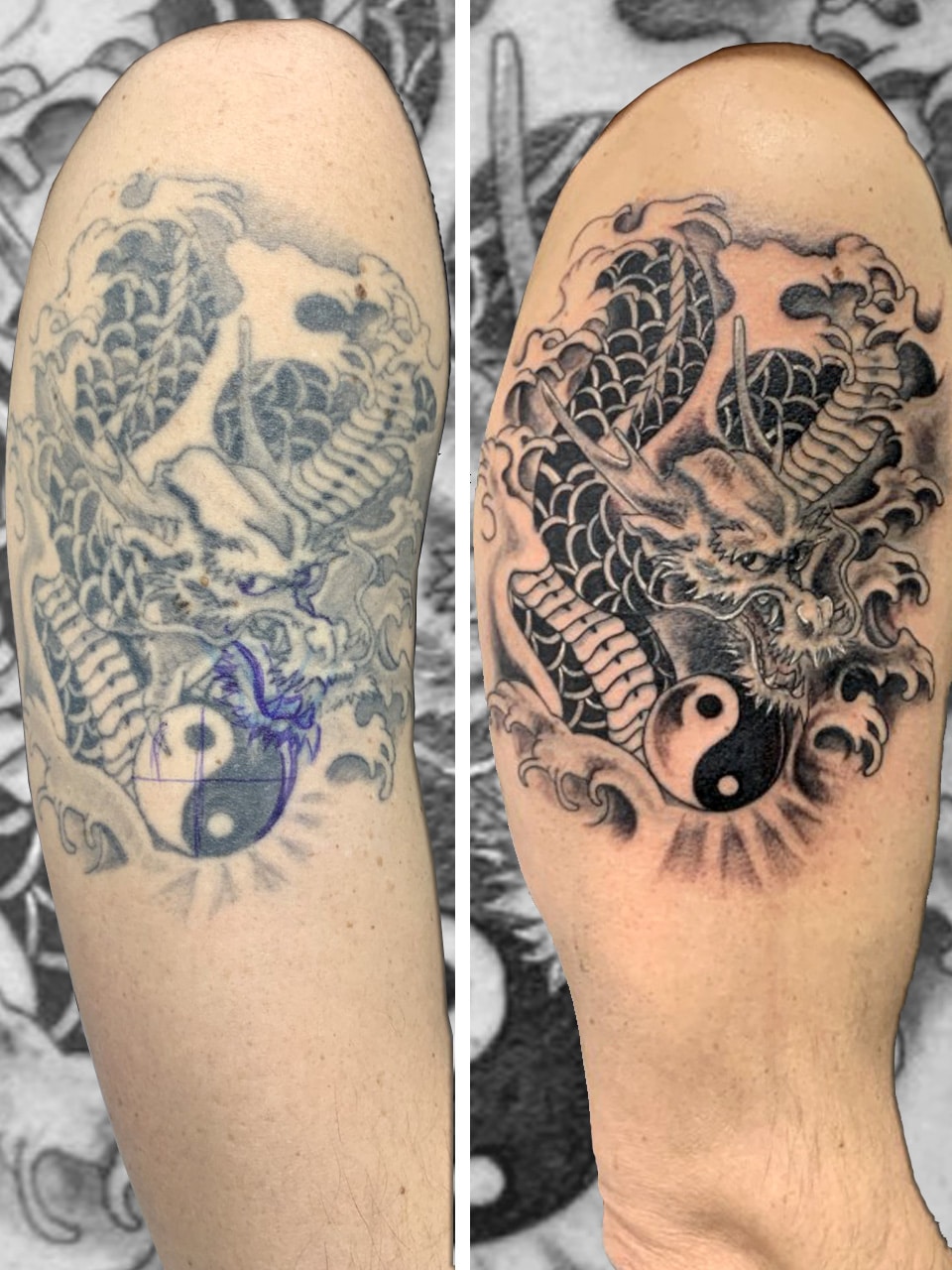
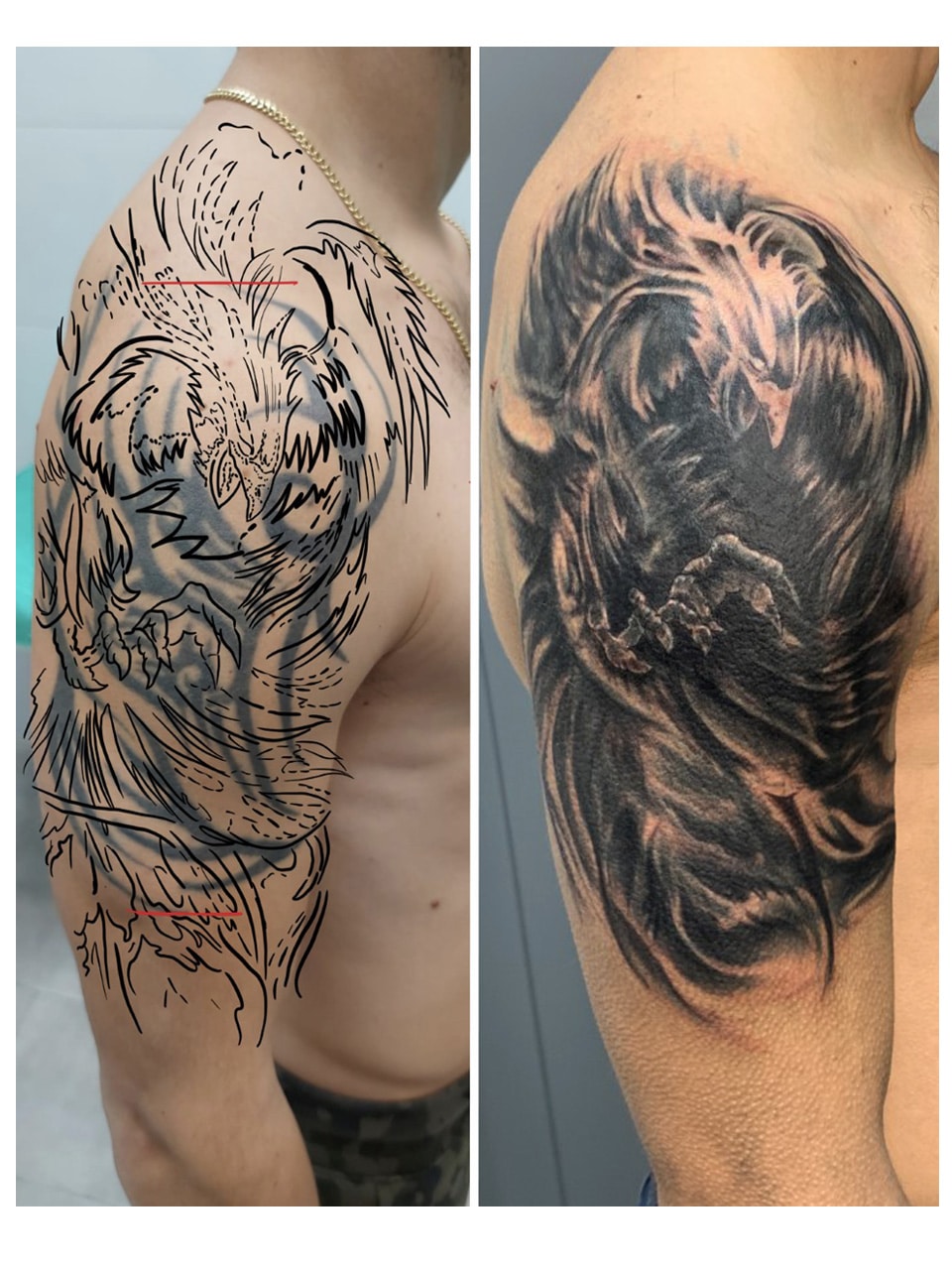
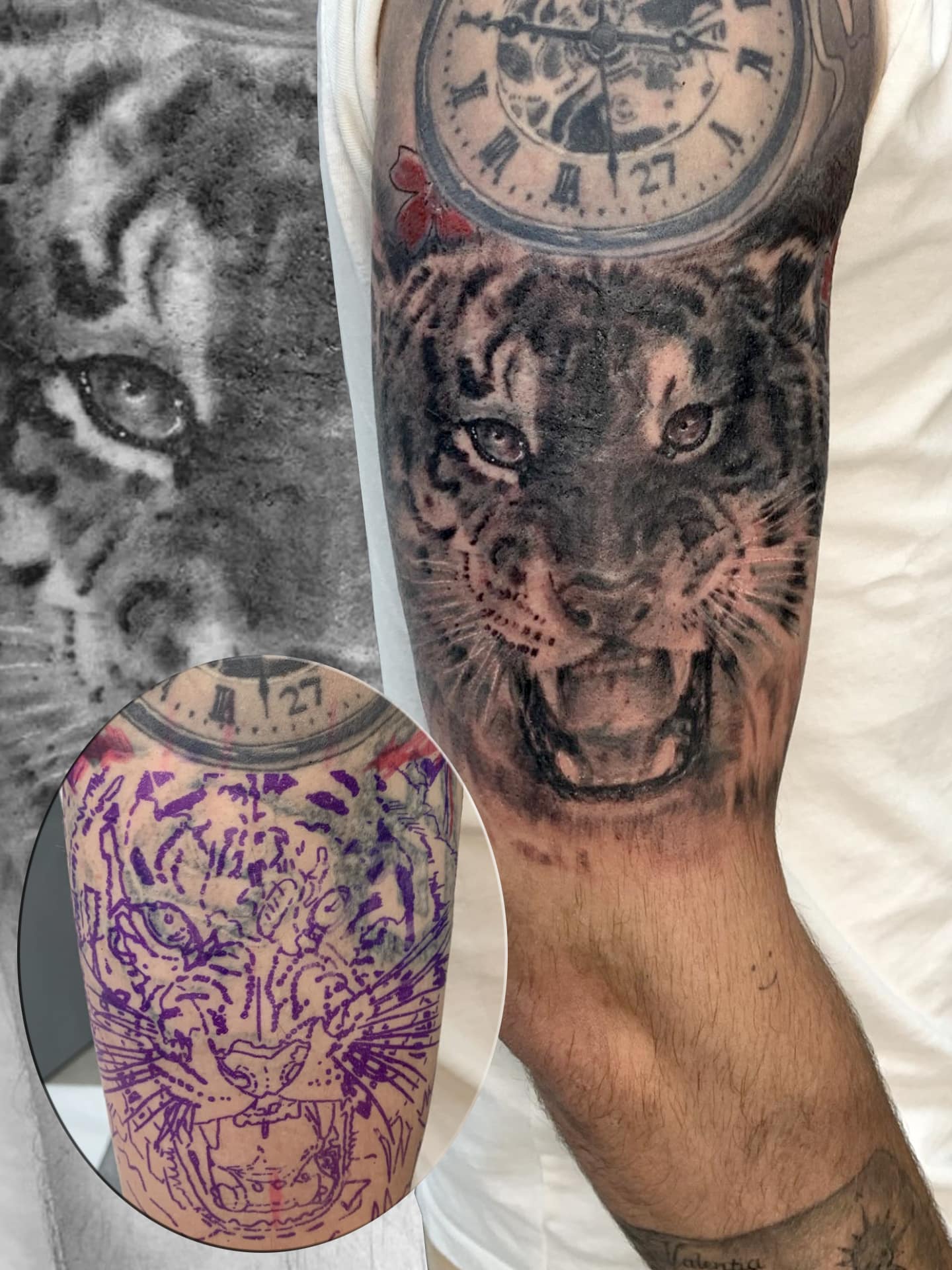
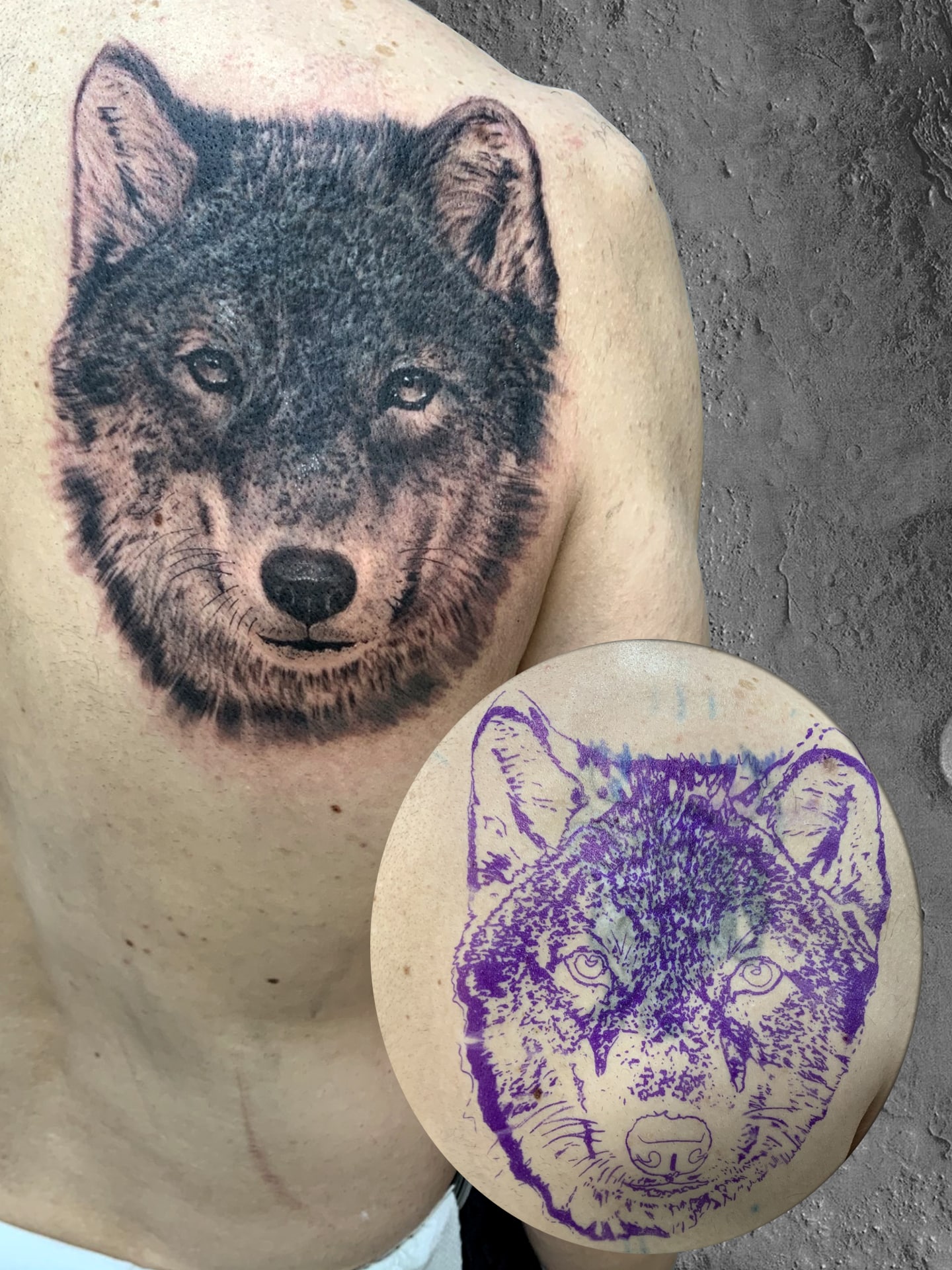
When a tattoo has significant errors that cannot be fixed with a simple touch-up, a cover-up is a viable option. A cover-up involves covering the existing tattoo with a new one, using colour and shading techniques to hide the original design.
This process can be challenging, as the new tattoo must be dark and large enough to cover up the old one. It is important that the tattoo artist you choose to do the cover-up is an expert in this technique, as not all artists are familiar with the complexities involved in this type of work.
When considering a cover-up, keep in mind that the new design will probably have to be different from the original, as the ability to modify the previous tattoo is limited. Often, creative solutions can lead to a result that even exceeds your original expectations, but it is essential to keep an open mind about the new design.
4. Consider laser tattoo removal
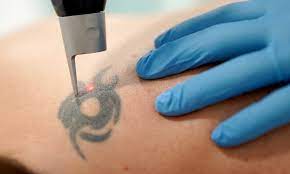
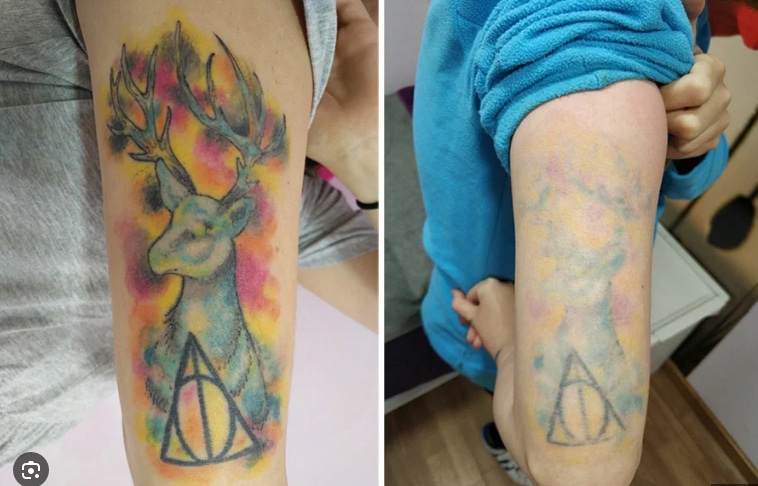
In the most severe cases, when the tattoo is irreparable or the client no longer wishes to keep any trace of the original design, laser tattoo removal may be a permanent solution. Although this option may be more expensive and painful than other alternatives, it is the only way to permanently remove a tattoo.
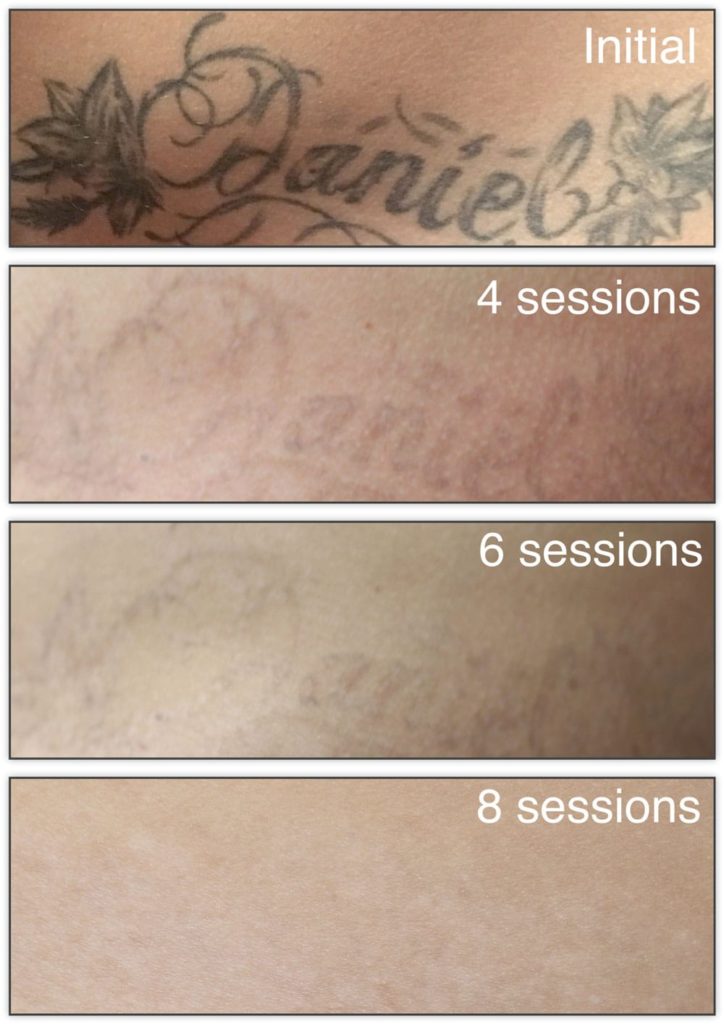
Laser removal works by fragmenting the ink particles under the skin, which are then absorbed by the body over time. Depending on the size and colours of the tattoo, the process may require several sessions and, in some cases, does not guarantee complete removal, especially if the tattoo is light-coloured or deeply embedded.
It is important to consult a tattoo removal specialist to assess the possibilities in your particular case. If the tattoo is small or has few colours, laser may be an effective option, but be aware that it is a process that can take months or even years, depending on the complexity of the tattoo.
There are tattooists who lower the intensity of the tattoo to be covered with a couple of laser sessions so that it is easier to tattoo over it when the colour of the tattoo is high.
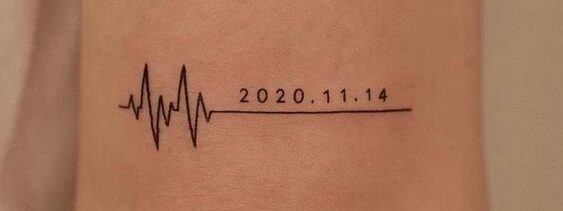
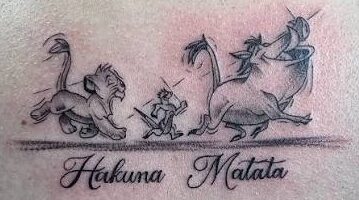
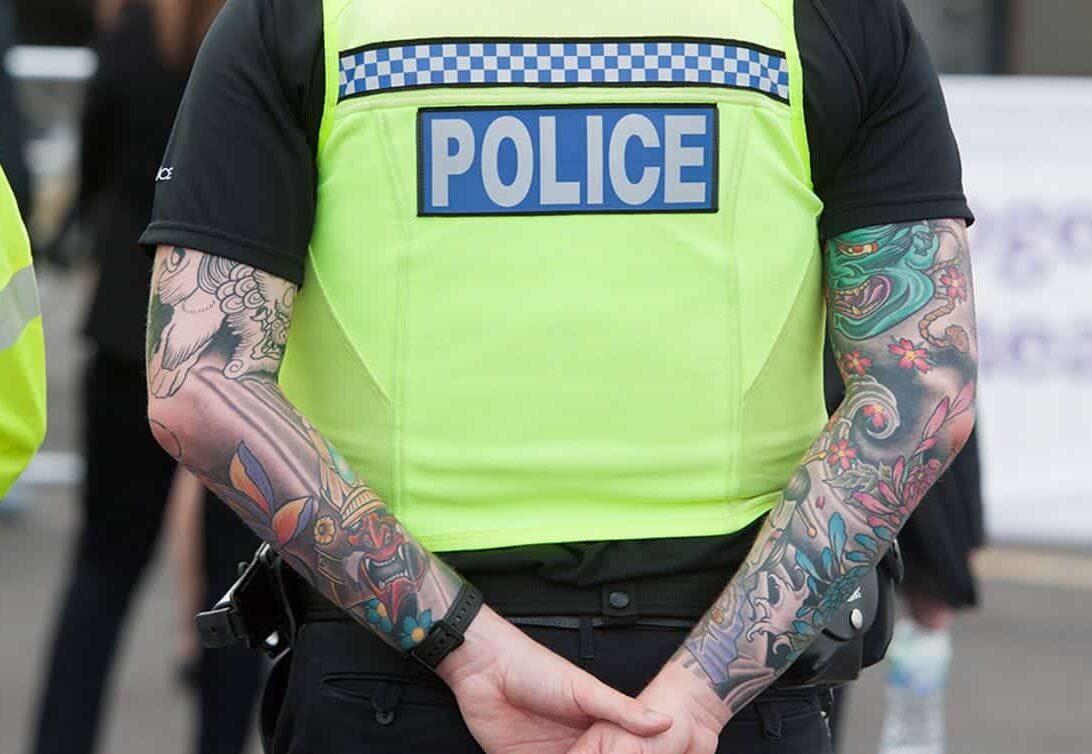
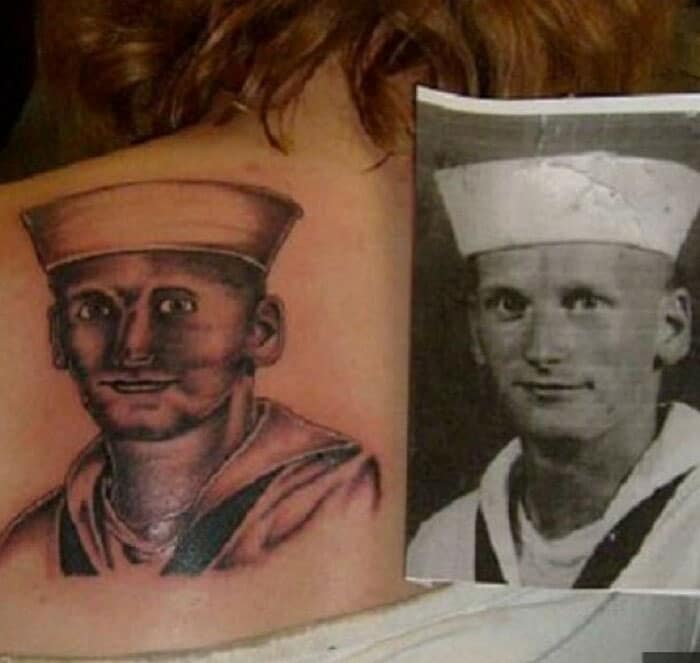
We would like to thank Sonia from Acme Tattoo for the photos she has provided us with to illustrate this report.
If you find yourself with a bad tattoo, you have several options for correcting the situation. From talking to the original artist to seeking a second opinion or considering laser removal, the important thing is that you don't rush into anything. Take your time to evaluate the alternatives, thoroughly research the professionals involved, and above all, don't lose your cool. Fixing a bad tattoo is possible, and with the right decisions, you could end up with a piece of art that makes you feel even more satisfied than you did to begin with.




1 thought on “Solución para Tatuaje Mal Hecho”
I'm having a blast with the photos