

Everything you need to know before getting a Maori tattoo
Maori tattoos, also known as ta mokoare much more than an aesthetic design; they are a profound manifestation of identity, lineage, history and spirituality. Before you decide to get one, it is essential to know their meaning, origin, how they are made, who can wear them, and what are the best practices to respect this sacred tradition.
Origin and cultural context
The Maori tattoo comes from the Maori people, the indigenous Polynesians of Aotearoa (New Zealand). The ta moko was a sacred practice that reflected social status, genealogy, achievement and role within the tribe (iwi). It was not simply a bodily adornment, but a living form of communication.
Traditional Maori tattoos have a deep spiritual connection. Each design is unique and personalised, created exclusively for the wearer. Wearing a ta moko was a way of carrying his whakapapa (genealogy) on the skin.

What does a Maori tattoo mean?
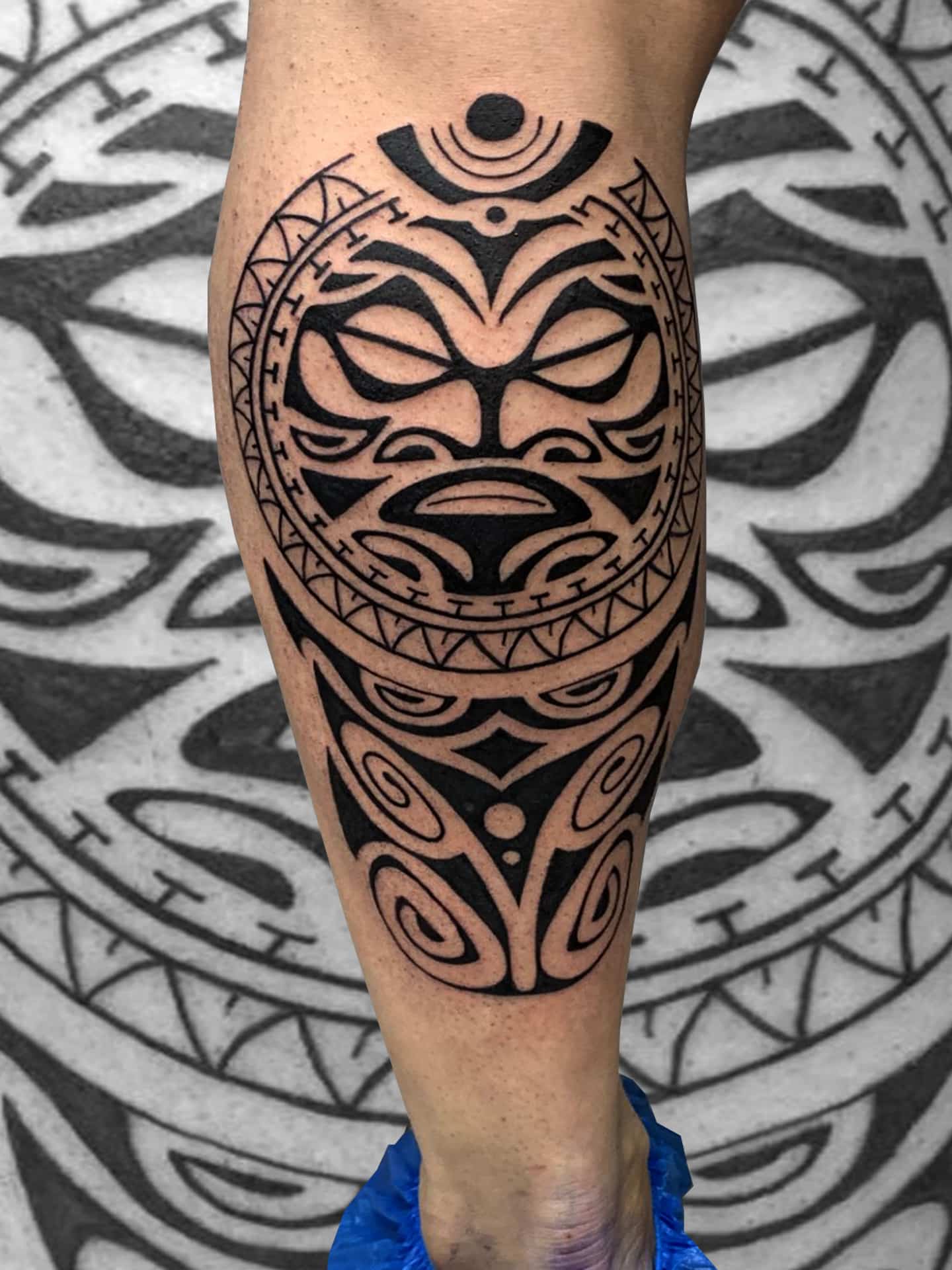
Maori designs are made up of geometric patterns called koru, manaia, hei tikiamong other symbols. Each has its own meaning:
- KoruSpiral representing a young fern. It symbolises growth, harmony and new beginnings.
- ManaiaMythical figure with a bird's head, a human body and a fish's tail. He is a spiritual guardian.
- Hei tiki: amulet of fertility, knowledge and good luck.
- Pakati: pattern representing warriors, bravery and strength.
- Hikuauasymbol of abundance and prosperity.
The ta moko is, then, a personal history encoded in symbols, lines and curves. No two are alike.
Who can get a Maori tattoo?
This is an important question. Traditionally, the ta moko are reserved for people of Maori origin, as they reflect their lineage and cultural heritage. However, with the rise of kirituhi (a form of tattooing based on Maori style, but not genealogically charged), non-Maori can wear tattoos with patterns inspired by traditional art, as long as they are done with respect, cultural awareness and preferably guided by a Maori or Polynesian artist.
Difference between ta moko y kirituhi
- Ta mokoMaori tattoo: traditional tattoo exclusive to Maori, with genealogical significance.
- KirituhiMaori-style design intended for non-Maori, which respects the visual elements but does not mimic the ancestral meaning.

How is a Maori tattoo made?
Traditionally:
In the past, the ta moko was carried out with cutting tools called uhimade of bone or sharpened stone. Instead of piercing the skin as in modern tattooing, these instruments cut the skin and vegetable ink was introduced into the wounds. The result was a tattoo with reliefs in the skin, giving it a unique texture.
This process was extremely painful and required great physical and spiritual endurance. It was often accompanied by rituals and sacred chants.
At present:
Today, many Maori tattoos are done with modern tattoo machines, but some traditional artists still use ancient methods. The process includes:
- In-depth consultation with the tattooist about the client's life history.
- Creation of a personalised design with spiritual and symbolic meaning.
- Tattooing with needles and inks, following fluid and harmonic patterns that adapt to the body.
Colours used
Traditionally, Maori tattoos were done in black ink, made from vegetable soot mixed with grease. To this day, black is still the most widely used and respected colour in the Maori style. It is not common to see colours in the ta moko traditional, although some contemporary artists experiment with blues, reds or dark greens to highlight details.
If you are considering a colour design, make sure the tattooist knows the limits of cultural respect within Maori art.
What parts of the body were tattooed?
The ta moko was applied to specific parts of the body, each with its own significance:
- CaraThe most sacred part. The moko kauae (chin) and moko kanohi (full face) were for people of high rank or wisdom. Nowadays, the kauae has re-emerged among Maori women as a symbol of empowerment.
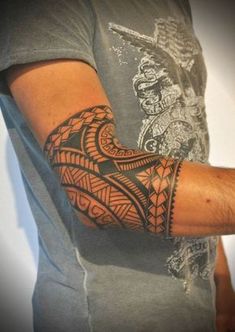
- Arms and legsphysical strength, skills in battle or labour.
- Chestcourage, heart of the warrior.
- Backspiritual protection.
- Buttocks and thighsfertility, connection with the earth.
For non-Maori, it is recommended that tattooing of the face be avoided, as it is considered highly sacred and representative of tribal identity. Wearing a Maori facial tattoo without cultural permission is perceived as grossly disrespectful.
Who performs Maori tattoos?
Maori traditional artists, called tohunga ta mokoThey are people with great spiritual, cultural and artistic knowledge. They are not simply tattooists; they are guardians of an ancestral tradition.
Choosing an artist with a background in Maori culture is key if you want a design that honours the tradition. If you are not Maori, look for a respectful tattoo artist who will offer you a Maori-style design. kirituhi without cultural appropriation.
Ethical and cultural considerations
Before getting a Maori style tattoo, consider the following:
- Avoid generic designs taken from the internet. Find an artist to create a custom design for you.
- Don't imitate traditional facial tattoos if you have no cultural right to them.
- Be informed and respect the history and spirituality behind the art.
- Thank culture that originates the tattoo and don't just use it as a fashion statement.
Conclusion
Getting a Maori tattoo is a decision that goes far beyond aesthetics. It involves understanding an ancestral worldview, respecting its symbols, and honouring the culture that sustains it. If done with respect, knowledge and proper guidance, it can become a profound mark of personal and spiritual transformation.
Before you decide, do your research, talk to knowledgeable artists, and make sure that the tattoo you will wear is both a symbol of beauty and cultural integrity.




1 thought on “Tatuaje maorí: guía esencial.”
How many people will wear the same as the rock.